Barça Score Seven. Laporta Makes It Four. Will Simeone Make It Three?
A historic night at Camp Nou, a landslide election, and a Champions League quarter-final against the one team that has already beat them this season. Barca this week!

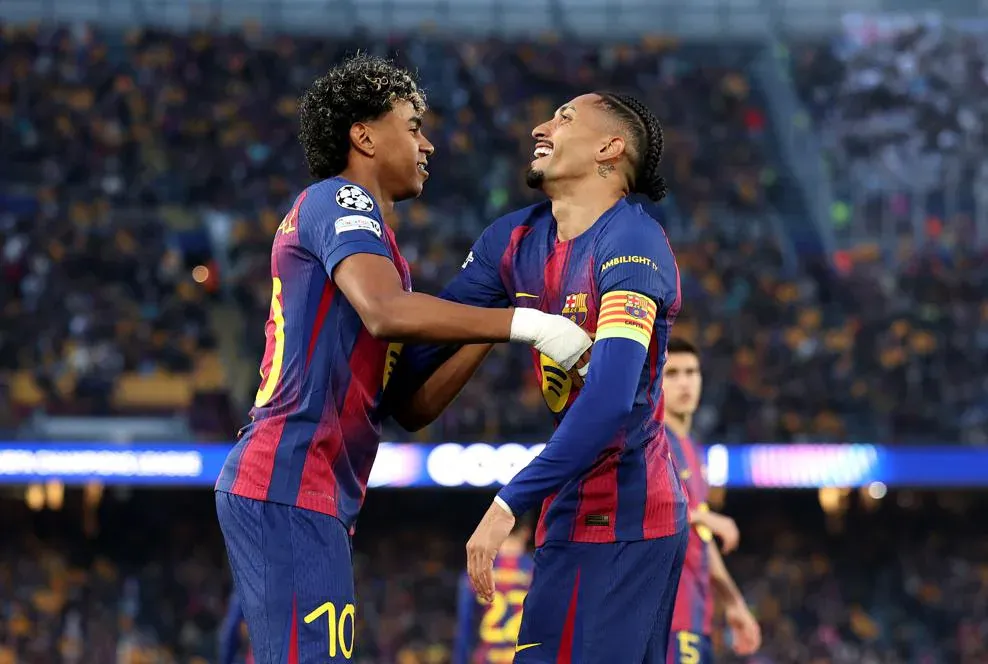
There is a version of Wednesday night that doesn't get written. The version where Anthony Elanga, playing the football of his life, scores a third. Where Newcastle hold the 2-2 scoreline past the hour mark, where Eddie Howe's men take the aggregate lead into the final twenty minutes, and where the Camp Nou — that great engine of collective will — begins, just slightly, to hum with anxiety rather than joy.
That version existed. It had a shape. You could see it forming.
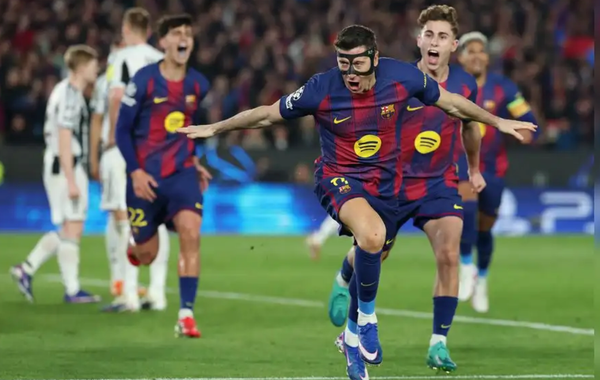
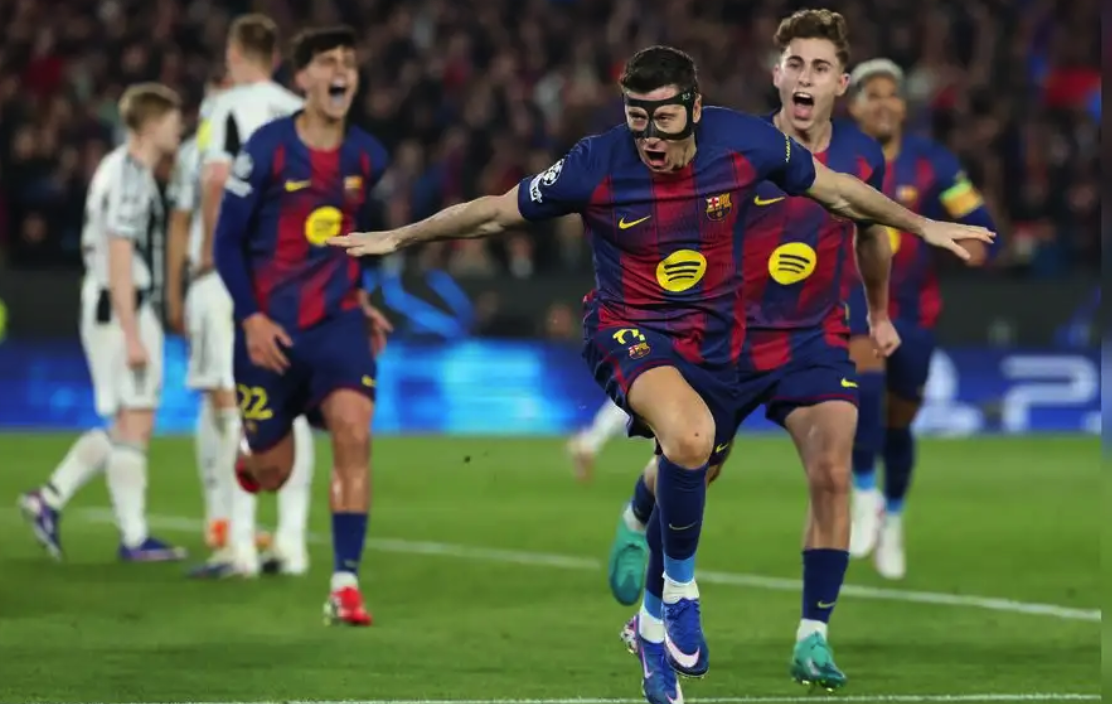
And then Fermín López ran in behind, received from Raphinha, and finished into the corner. And then Lewandowski headed in from a set piece. And then Lewandowski did it again. And then Raphinha got his second, and the scoreline became something that required counting, and the tie became something that required the history books.
Seven goals. Eight-three on aggregate. The 25th time Barça have reached the Champions League quarter-finals. A result that does not, emphatically, reflect a comfortable 90 minutes — but one that reflects something more interesting: a team that found the answer to a genuinely difficult tactical problem, found it at half-time, and then applied it with such suffocating precision that the opposition collapsed inside twenty-one second-half minutes.
The Trap Eddie Howe set
Eddie Howe came to Camp Nou knowing he couldn't outpossess Barcelona. He came knowing, after the first leg, that his side didn't have the technical quality in central areas to play through them. So he built his game plan around something different: if you can't disrupt the ball, disrupt the man who carries it.
Newcastle's 4-3-3 became, in and out of possession, a man-oriented pressing scheme. Anthony Elanga tracked Gerard Martín. Kieran Trippier — and later Tino Livramento — stayed glued to João Cancelo. The front line pressed individually rather than zonally, jumping their triggers early, committing to their marks. It was aggressive. It was organised. And for the first half, it worked.
The trap within the trap: once Trippier jumped to mark Cancelo, Barcelona had a 4v4 in the attacking third — their front four man-marked by Sandro Tonali, Thiaw, Burn, and Lewis Hall. In a man-marking system, numerical equality in the final third should favour the defending team. But it only works if the markers can stay with their men.
And — staying with Lamine Yamal, staying with Fermín López — is much harder than it sounds.
The first half was wild precisely because neither side fully solved the other. Newcastle's press generated chaos and two Elanga goals of genuine quality. Defensive lapses and individual errors allowed Newcastle to counter-attack, with Lewis Hall the primary architect. The scoreline bounced: 1-0, 1-1, 2-1, 2-2. Camp Nou was loud and nervous and alive.
But something was being established even in the chaos. Barcelona were starting to understand the shape of the problem.
The hand-off that broke the system
The key was Yamal and López — and the specific, beautiful way they refused to be where Newcastle expected them.
Yamal and López were interchanging constantly on the right-hand side, perpetually looking to create separation from their markers and access the space around each other. The Squawka analysts described it with a basketball analogy, and it's the right one: a dribble hand-off, where the ball-carrier moves toward a teammate, creates a screen, and transfers the ball while crossing paths — forcing the two defenders to either switch assignments or collide. In football it's subtler, no physical screen, but the logic is identical. You cross each other's runs. You make the man-marker choose.
An example was their exchange ahead of Barça's second goal. Yamal and López had a "hand-off" exchange, allowing Yamal to drive inside and win a free kick. But the more subversive move — the one that really broke Newcastle — was Yamal's drift into central areas. When Yamal stays wide, he often faces double marking, limiting his options. But when he moves inside, everything changes. He sees more of the ball, has more angles to work with, and becomes far harder to contain.
López dropping deep in the right channel dragged Tonali away on a number of occasions, allowing Yamal to rotate inside and drag Hall central — creating space for Raphinha and Lewandowski to peel off and attack the channel.
It was an elegant solution to an aggressive defensive scheme, and it worked because man-marking fundamentally cannot survive positional fluidity. A zonal system adapts; the space stays covered regardless of who runs where. A man-to-man press, by definition, is chasing bodies. When those bodies start performing choreography — López deep, Yamal central, Raphinha wide then cutting, Lewandowski lurking — the press doesn't just struggle. It disintegrates.
The second half tutorial
The first fifteen minutes of the second half should be taught as a class in La Masia: a perfect combination of passing variety and off-ball movement that destroyed Newcastle's defensive structure.
It started with goal four. López spun after dropping deep with Tonali following, attacking the space between Livramento and Thiaw. Martín played the diagonal into Raphinha's feet, who played it into the space for López to run into, finishing neatly into the bottom right corner.Three passes. Three players moving in orchestrated sequence.
Then Lewandowski — header from a Raphinha corner, 5-2. Then Lewandowski again, the second goal the purest expression of the whole principle. Yamal had a brilliant turn in midfield from a central position, and sent Lewandowski clear on the right side of the box. Yamal, nominally a right winger, creating a goal from central midfield. Lewis Hall, nominally tracking Yamal, nowhere to be seen.
Barcelona's fast start to the second half saw López run clear on to slick passes from Martín to Raphinha and score. Four goals in twenty-one minutes. The aggregate went from nervous to absurd.
Raphinha's night deserves its own sentence: two goals, two assists, five shots, all five on target, six chances created, three of those big chances. This was vintage Raphinha, featured in five of the goals. The Brazilian who was supposedly fading — whose partnership with Rashford was meant to be his replacement — played as if the rumours were personal.
The scoreline flattered Barcelona in some ways — Newcastle were genuinely dangerous and Howe's man-marking scheme had real logic to it. The first half was a back-and-forth affair, with Newcastle going blow-for-blow with the Blaugrana , and there were moments, brief and electric, where you felt the upset forming.
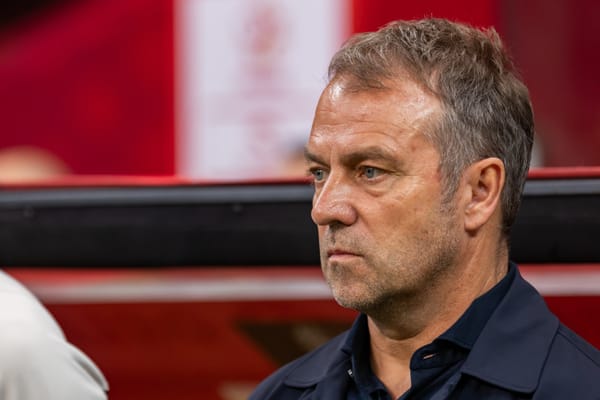
But the second half was not a fluke. It was Flick solving a problem in real time, his players executing the solution with the kind of automaticity that only comes from deep tactical trust. The movement patterns were not improvised. The hand-offs between Yamal and López, the deeper drops from Fermín, the timing of Yamal's central drifts — these were things that live in the muscle memory of a team that has been training this way all season.
Newcastle played well. They just ran into a side that adapts. Eight-three. The quarter-finals. Atlético de Madrid next. Whatever Simeone is planning, you suspect it will not involve man-marking Lamine Yamal.
→ Detailed review with passing maps and a lot of other data analysis available in my more extended review here: [link]
 Dev
Dev
Barca vs Atleti in the CL: What can Barca learn from the Copa Del Rey loss?
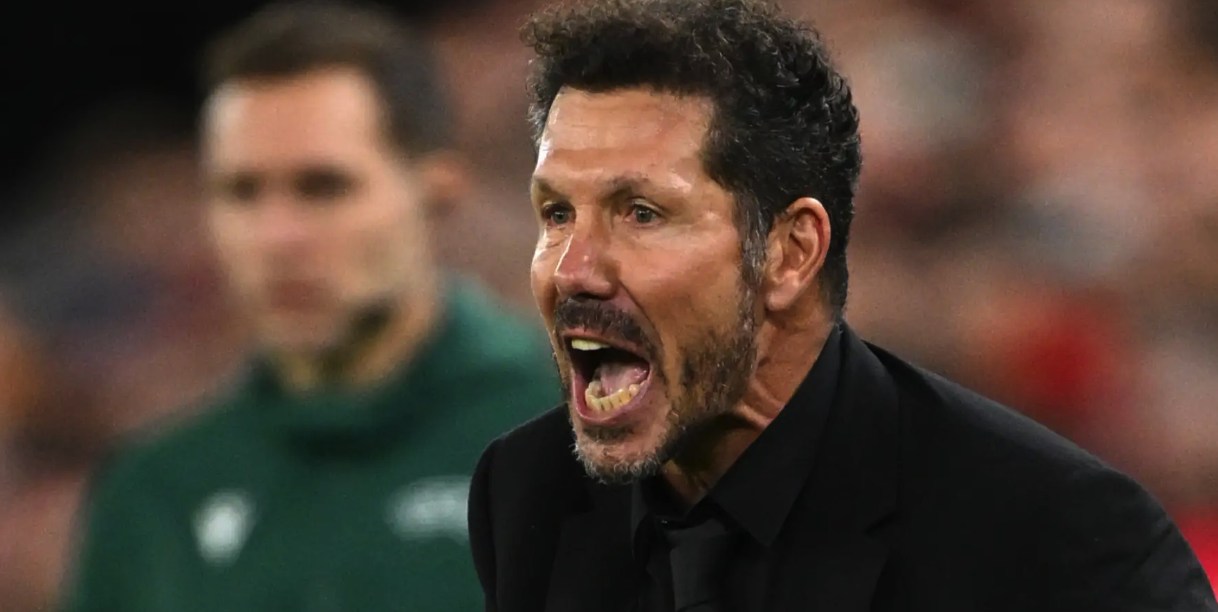
Barcelona are through to the Champions League quarter-finals for the 25th time in the club's history, and waiting for them is the one opponent nobody in world football quite knows how to plan for. Diego Simeone's Atlético Madrid. Organised, physical, psychologically immovable, and in possession of a tactical blueprint that has humiliated Barça before — including, most recently, this very season.
The two sides have already met three times in 2025/26. Barça beat Atlético 3-1 in La Liga in December. Then came the Copa del Rey semi-final — two legs, two completely different stories, and a 4-3 aggregate result that sent Atlético to the final and sent Barça home asking hard questions about themselves. Those questions now need answering before April 8, when the sides meet again at Camp Nou in the first leg of the Champions League quarter-final.
This is what the data tells us.
GAME 1: ATLÉTICO 4-0 BARCELONA
Riyadh Air Metropolitano · 12 February 2026 · Copa del Rey Semi-Final, Leg 1
Goals: Eric García OG (7'), Griezmann (14'), Lookman (33'), Julián Álvarez (45'+2') — all first half · Eric García red card (85') · Barcelona missing: Raphinha, Rashford, Pedri
It was over before half-time. Atlético needed 45 minutes, 35% of the ball, and four moments of brutal efficiency to put the tie beyond reach. A Joan García fumble gifted them the first. Griezmann, as he always does against his former club, made it look inevitable. Lookman and Álvarez finished the job. Without Raphinha and Rashford to threaten in behind and Pedri to control the midfield tempo, Barça circulated possession without purpose and paid for it every time they gave the ball away.
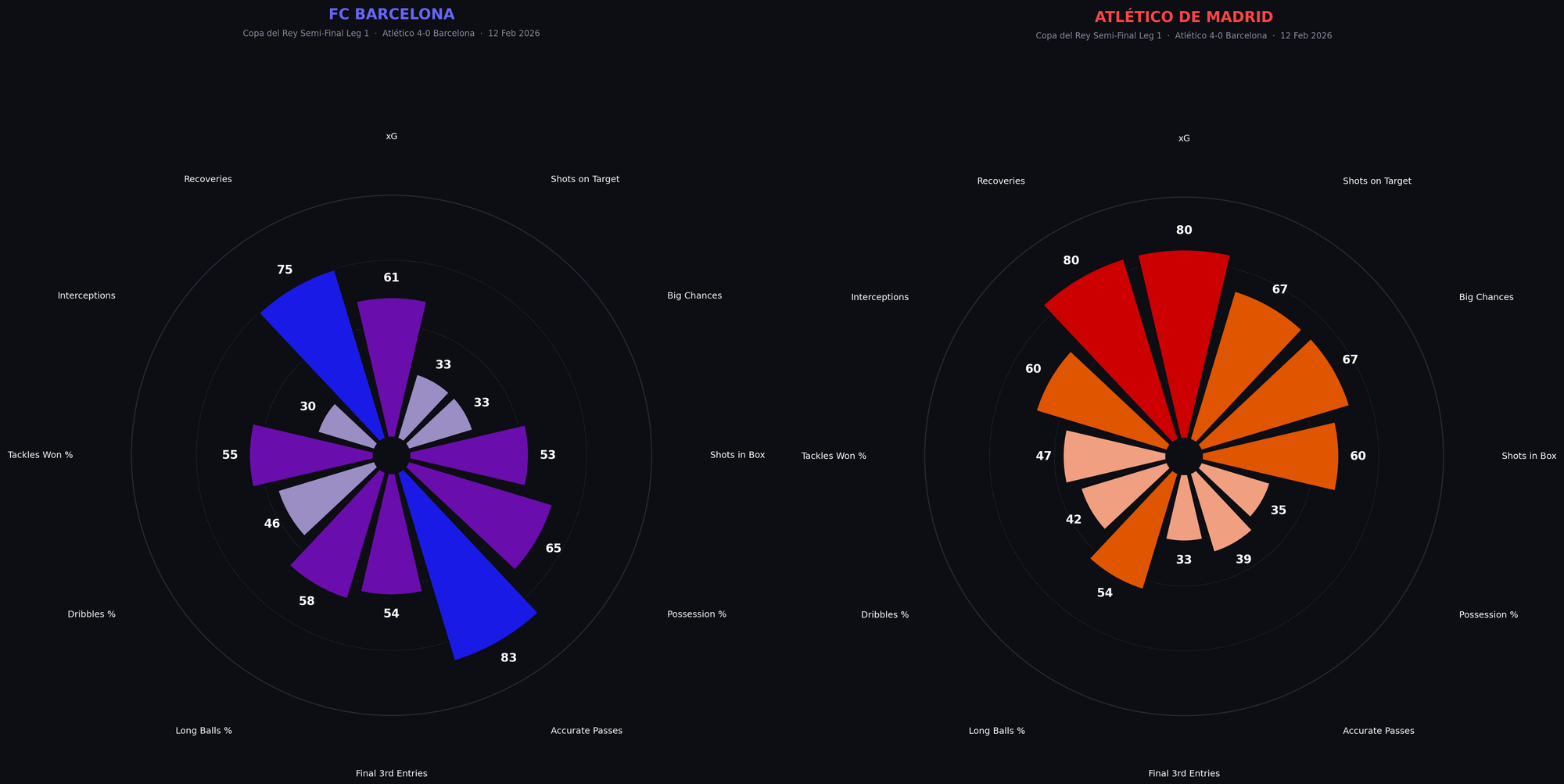
The profiles tell the story of the mismatch. Barça's strength almost entirely was in the possession zone — high accurate passes (83), decent final third entries (54), reasonable possession (65). But the attacking metrics were damning: four shots on target, two big chances, xG of just 1.83.
A team that had a lot of ball but couldn't do anything meaningful or dangerous with it.
Atlético's profile was the exact mirror. Sparse in possession — accurate passes at 39, final third entries at 33. But the attacking shape was dominant. xG of 80 (2.39 raw), shots on target at 67, big chances at 67. They touched the ball far less and made every touch count. The 12 interceptions to Barça's 6 reflected the core of Simeone's approach: don't build from the back, win it back high.
The conclusion from Leg 1: patient possession without vertical penetration was not just ineffective — it was actively dangerous. Every Barça turnover became an Atlético chance.
GAME 2: BARCELONA 3-0 ATLÉTICO
Spotify Camp Nou · 3 March 2026 · Copa del Rey Semi-Final, Leg 2
Goals: Marc Bernal (29', 72'), Raphinha pen (45'+5') · Missing: Lewandowski, De Jong · Koundé & Balde injured during match · Atlético 5-4-1 protecting a 4-goal lead · Atlético advanced 4-3 on aggregate
Same teams. Completely different game. With Raphinha, Pedri and Rashford back, Barça were unrecognisable. They dominated from first whistle to last and came within one goal of a historic Remontada. Musso's six saves — including a double stop from Bernal and Raphinha — and Lookman's inexplicable header miss from inside the six-yard box were the two moments that kept Atlético alive. Barça lost the tie. But they proved, beyond any doubt, what they are capable of when fully fit.
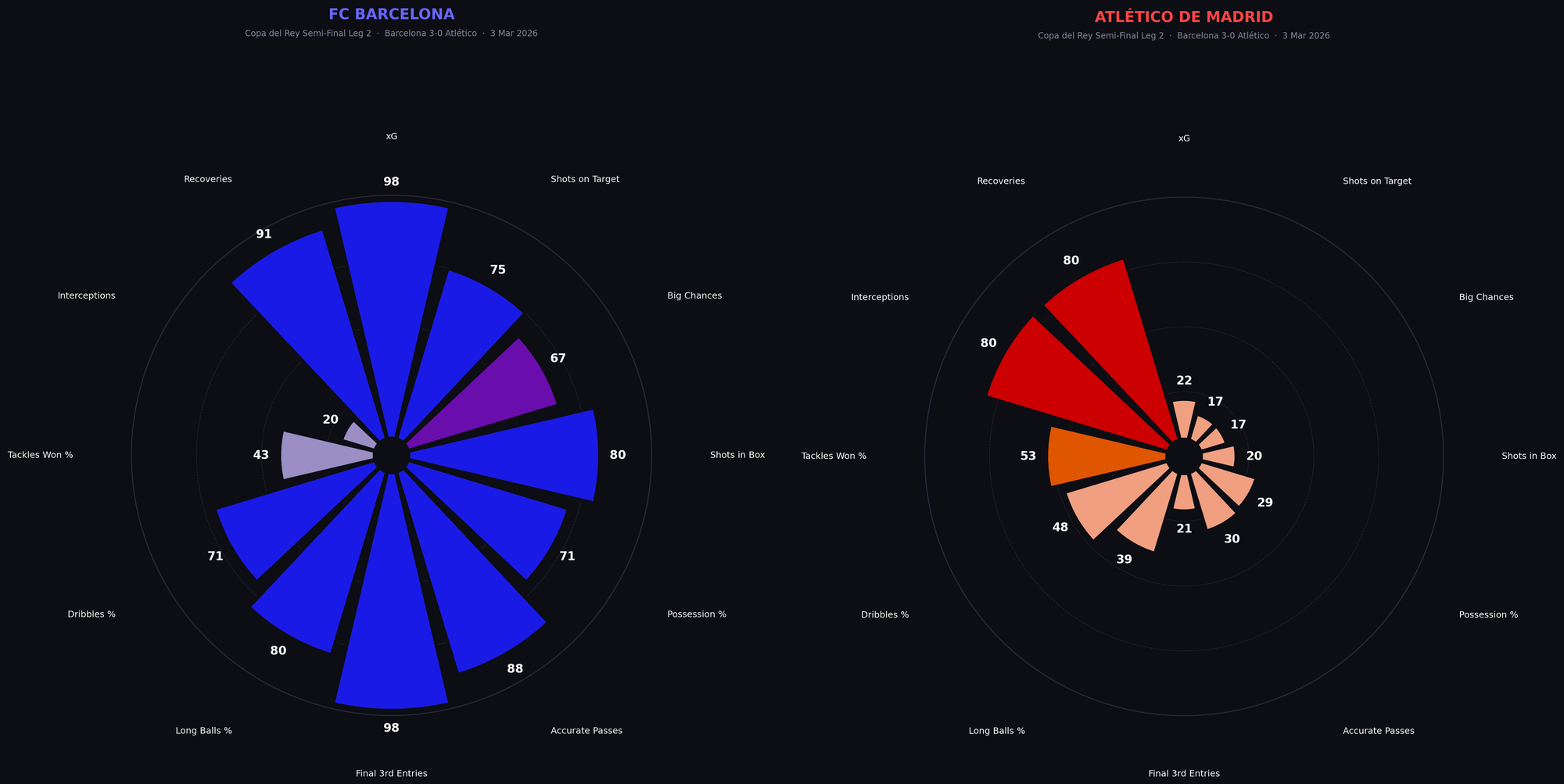
The transformation in Barça's profile between the two legs is stark. xG rose from 61 to 98. Final third entries from 54 to 98. Shots in box from 53 to 80. Dribbles from 46 to 71. Long ball accuracy — the most tactically significant number — moved from 58 to 80. Barça stopped trying to pass through Atlético's block and started playing over it.
Atlético's Leg 2 profile reflected a team with one objective: Protect the lead. xG of 22, two shots on target, zero corners, zero fouls won in the final third. But the 80 on interceptions confirmed one thing- Simeone's side never stopped competing defensively — they just had a different definition of success that night.
One caveat that strengthens Barça's CL case: this dominant xG performance — and final third entries, was produced without Lewandowski and De Jong. Add the first-choice striker and the ceiling rises further.
THE OFFENSIVE COMPARISON
How Barça's Attack Transformed — and What Atlético Can Do
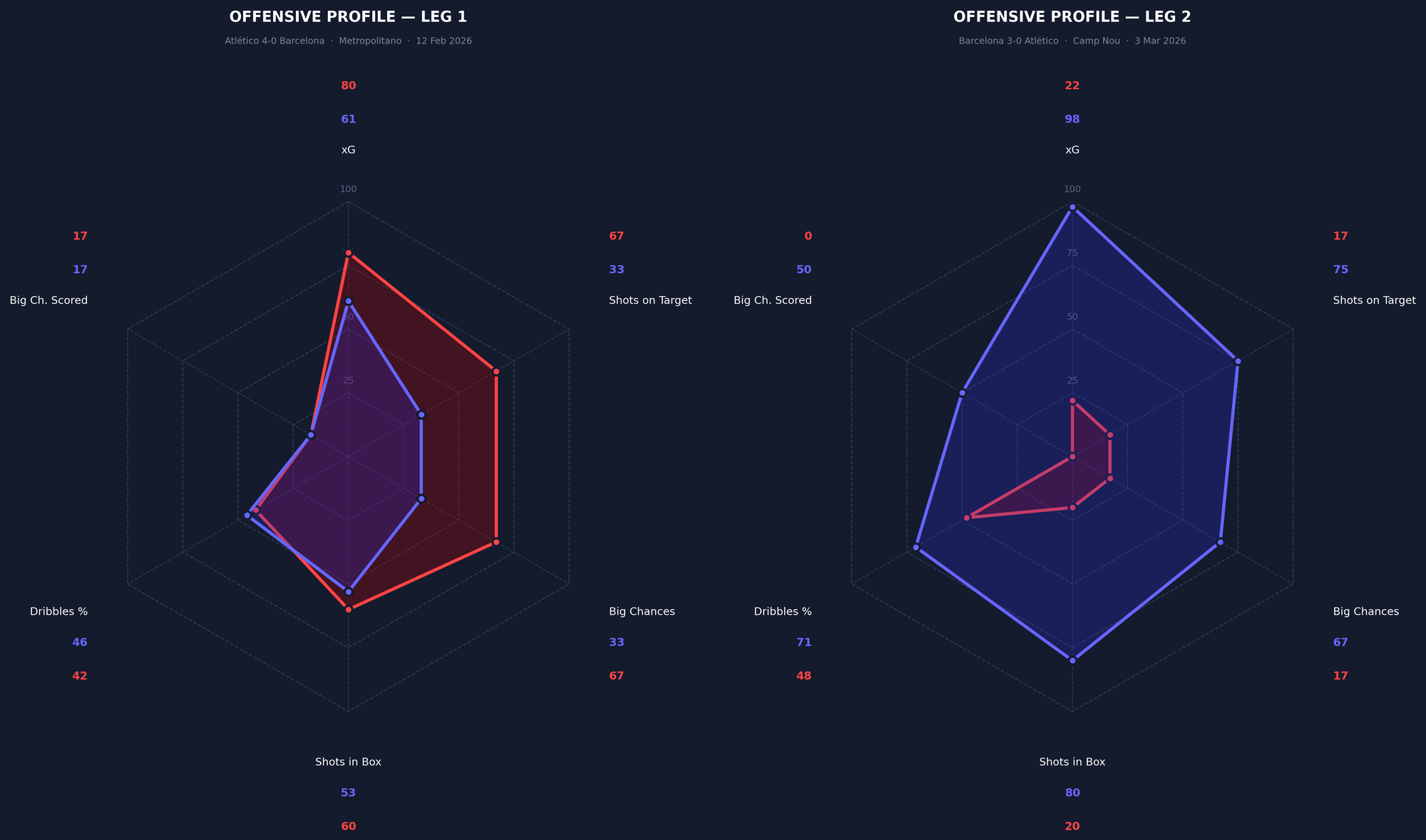
The contrast between the two legs is plainly visible. In Leg 1, Atléti dwarfed Barça across every offensive axis — xG, shots on target, big chances, shots in box, all pointing outward in Atlético's favour despite Barça having far more of the ball. The core problem was conversion efficiency. Barça generated shots from bad positions. Atlético generated big chances from good ones, with three of their four attempts at the net coming from inside the box.
Leg 2 flipped every axis. The key unlocking factors: Raphinha and Rashford's return forced Atlético's defensive structure to stretch laterally, creating gaps Fermín and Yamal could exploit centrally. And the long ball accuracy improvement meant Barça could bypass the press rather than invite it.
The dribble jump from 46 to 71 is the clearest individual indicator. Yamal was isolated and man-marked in Leg 1 with nowhere to go. In Leg 2, with width on both flanks, he had space to drift central — and that changed everything around him.
For the CL: Atlético will not park the bus in an open two-legged tie. The Leg 1 shape — xG built from transition rather than possession — represents what a motivated, attacking Atlético will produce. Barça will have to counter that and impose their game at Camp Nou.
THE DEFENSIVE COMPARISON
Where Barça Were Broken and Where They Held
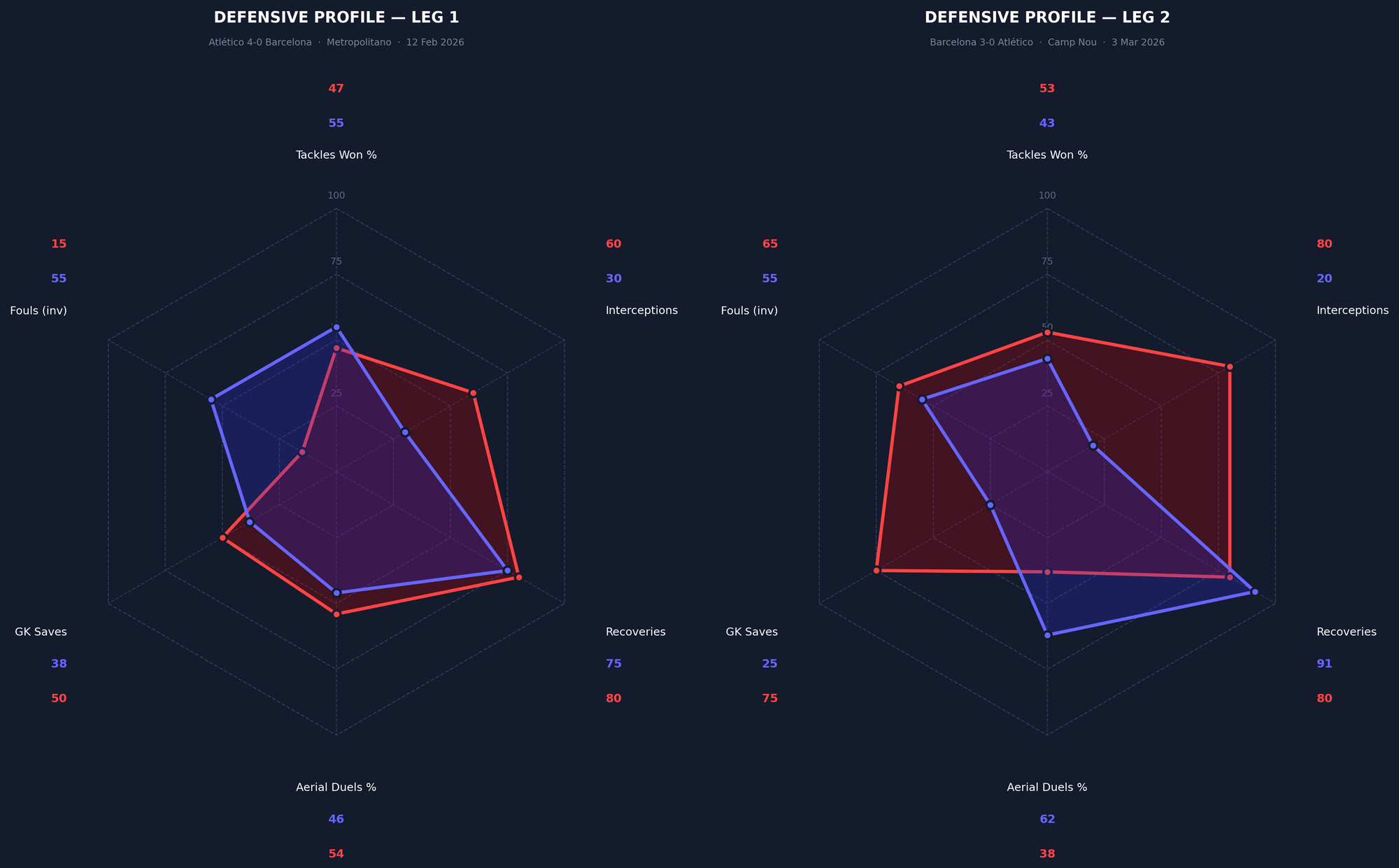
The defensive data comparison reveals a fascinating dynamic: Atlético's individual defensive numbers actually improved in the game they lost. Interceptions rose from 60 to 65. GK saves from 50 to 75 — Musso was extraordinary in Leg 2, and his saves were the difference between a 3-0 and a 6-0. Recoveries held steady across both legs at 75-80.
But , the key takeaway? By pure defensive effort, Atlético never stopped competing.
What changed was the context. In Leg 1, those defensive numbers were the product of an aggressive pressing scheme that generated turnovers leading directly to goals. The data reflects a team pressing physically with intent and winning the ball high up the pitch. In Leg 2, the same work rate was channelled into protecting a lead from a deep block.
The aerial duel shift is the single most important defensive number in this dataset: from 46 in Leg 1 to 62 in Leg 2 — a 16-point jump achieved without Lewandowski. Atlético's set-piece delivery, with Griezmann floating balls to Hancko at the back post, is a recurring danger. The Leg 1 aerial figure at the Metropolitano is the one to be afraid of in April.
The goalkeeper contrast is also pointed: Barça's García made 4 saves (38 normalised) in a 4-0 defeat. Atlético's Musso made 6 saves (75) in a 3-0 loss and kept the aggregate margin tight enough to advance. Goalkeeping quality at both ends will matter a lot in the quarter-final.
THE POSSESSION COMPARISON
The Structural Unlock
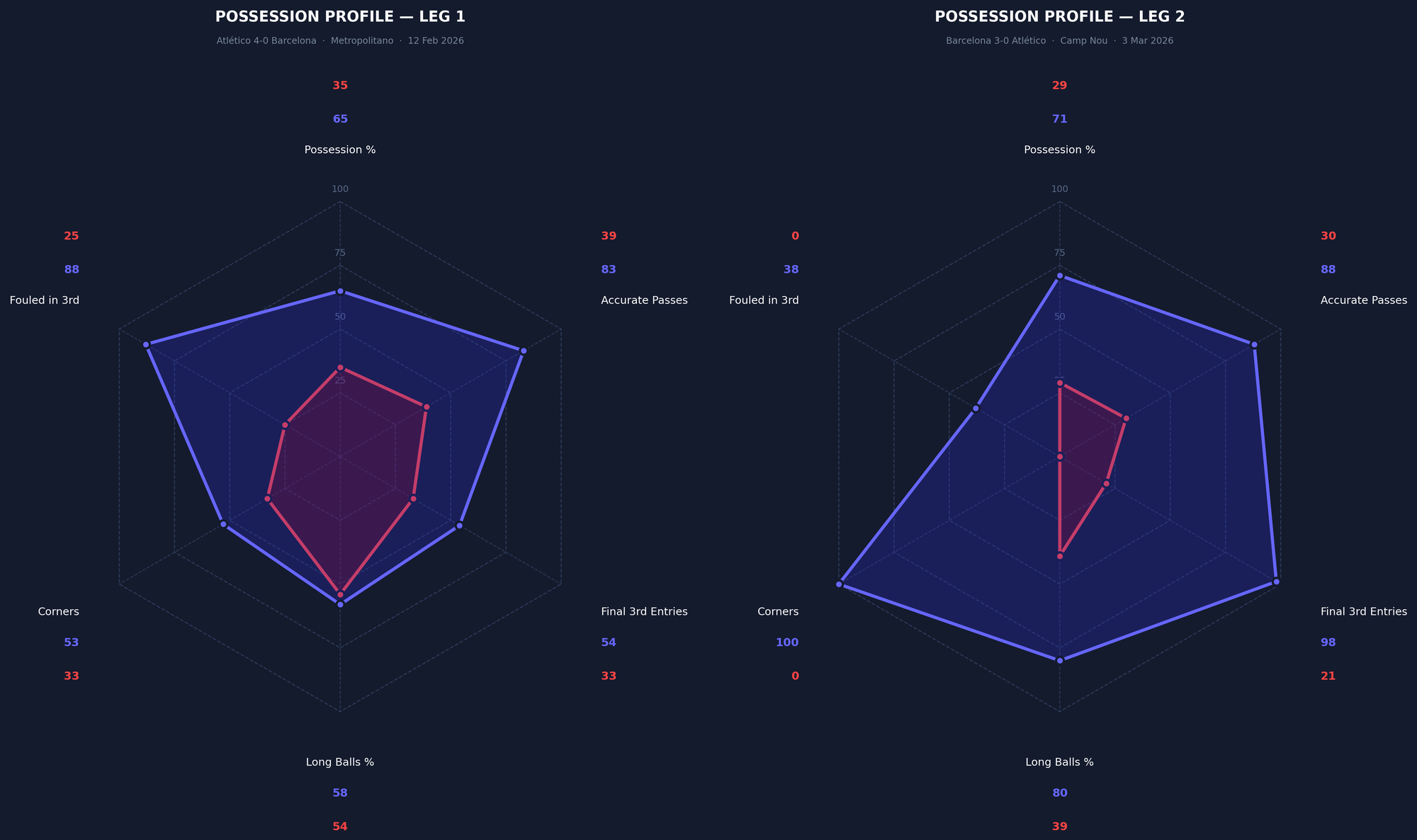
One number tells the entire story of the Copa tie: long ball accuracy, 58 in Leg 1 versus 80 in Leg 2. That 22-point jump is the difference between a Barça that played around Atlético's block and a Barça that played through it.
In Leg 1, the Barça were strong in the upper registers — accurate passes at 83, possession at 65, decent corners at 53 — but the play was patient and horizontal. Atlético's compact narrow shape absorbed it comfortably and launched transitions every time Barça lost the ball. The fouled-in-final-third figure of 88 for Barça actually reflects how deep into dangerous territory they were getting — without converting that territorial dominance into quality shots.
In Leg 2, with Possession at 71, accurate passes at 88, final third entries at 98, corners at 100 — Barca imposed their game. Atlético barely escaped their own half in the first hour. The pass map shifted right-heavy, reflecting the Yamal-Fermín interchange constantly finding pockets between Atlético's lines. The short corner routine that produced Bernal's opener was the perfect encapsulation: move the ball quickly, isolate the mark, cut across the six-yard box.
Atlético's long ball figure dropping from 54 to 39 in Leg 2 confirms Barça's press was sharper in the second leg too — denying Atlético the direct transition ball that caused so much damage in Madrid. That is the possession-side complement to the long ball accuracy story: Barça improved at both going forward over the press and stopping Atlético using it against them.
THE COMPARISON: WHAT CHANGED BETWEEN THE TWO GAMES
The delta between the two datasets is the most useful piece of intelligence Barça have heading into April. These are the metrics that flipped most dramatically — and each one tells a tactical story.
|
Metric |
Leg 1 (Lost) |
Leg 2 (Won) |
Delta |
|
xG (Barça) |
1.83 |
2.93 |
+1.10 |
|
Final third entries |
54 |
98 |
+44 |
|
Shots on target |
4 |
9 |
+5 |
|
Big chances |
2 |
4 |
+2 |
|
Long balls % |
58% |
80% |
+22pp |
|
Dribbles % |
46% |
71% |
+25pp |
|
Aerial duels % |
46% |
62% |
+16pp |
|
Corner kicks |
8 |
15 |
+7 |
|
Atlético xG |
2.39 |
0.67 |
−1.72 |
|
Atlético final 3rd entries |
33 |
21 |
−12 |
The long ball accuracy delta (+22 percentage points) was the structural unlock. The dribble success delta (+25pp) reflected Yamal, Raphinha and Rashford running at a retreating, bus-parking Atlético — rather than an aggressive, man-marking one. The aerial duel delta (+16pp) showed Barça winning the physical contest without their most physical attacker.
The critical caveat: in Leg 2, Atlético chose not to attack. In the CL, they might not have the same choice. Simeone's gameplan in April will look far closer to Leg 1 than Leg 2. Barça must be ready for both.
WHAT BARÇA MUST DO TO WIN THE CL TIE
The Champions League quarter-final is structurally different from the Copa. Both legs are genuinely open. Simeone must attack at some point — which means the full Atlético threat will be present across both games.
Be vertical early at Camp Nou.
The 22-point long ball accuracy delta is worth keeping in mind. Barça circulated beautifully in Leg 1 and lost 4-0. The moment they added directness in Leg 2, everything opened up. With Lewandowski available as a hold-up reference, there is no excuse for repeating the horizontal trap. Play over the press when needed, not after half an hour of safe sideways passing.
Move Yamal central when the moment calls for it.
The dribble success jump from 46 to 71 was not random — it happened because Yamal had help on the other side, and because he drifted into central areas where Ruggeri couldn't follow. When Yamal is isolated wide in a man-marking scheme, he has lesser space and lesser angles to work upon. When he moves inside and the defence has to decide who tracks him, opportunites open up.
Simeone will have a plan for this. Flick must execute it anyway.
Win the aerial battle in both boxes.
The 16-point aerial improvement in Leg 2, achieved without Lewandowski, is significant precisely because Lewandowski will be there in the CL. Atlético's set-piece delivery — Griezmann floating to Hancko at the back post — is a genuine and repeated threat. The Leg 1 aerial figure of 46 at the Metropolitano, in a stadium full of noise and Atlético pressing from the first minute, is the baseline Barça must not return to.
Do not arrive at the Metropolitano level or behind.
The Leg 1 offensive numbers — xG 80, big chances 67, built from 35% possession — represent Atlético in a fully motivated, attacking state. Those numbers produced four goals in a first half. If Barça give Simeone the same conditions in the second leg at the Metropolitano, the same outcomes become possible. Win the first leg with substance. A two-goal lead going to Madrid changes the entire emotional and tactical dynamic.
Control the midfield physical contest from minute one.
Atlético committed 17 fouls in Leg 1 as part of an aggressive pressing scheme (fouls inverse: 15). Barça committed 9 (inverse: 55). The physicality will be higher in an open European tie. Bernal and Pedri need to be at their most combative from the first minute — because if Atlético win the midfield battle early, the Leg 1 possession paradox returns: Barça with the ball and going nowhere.
The President They Voted For —And The Problems He Owns
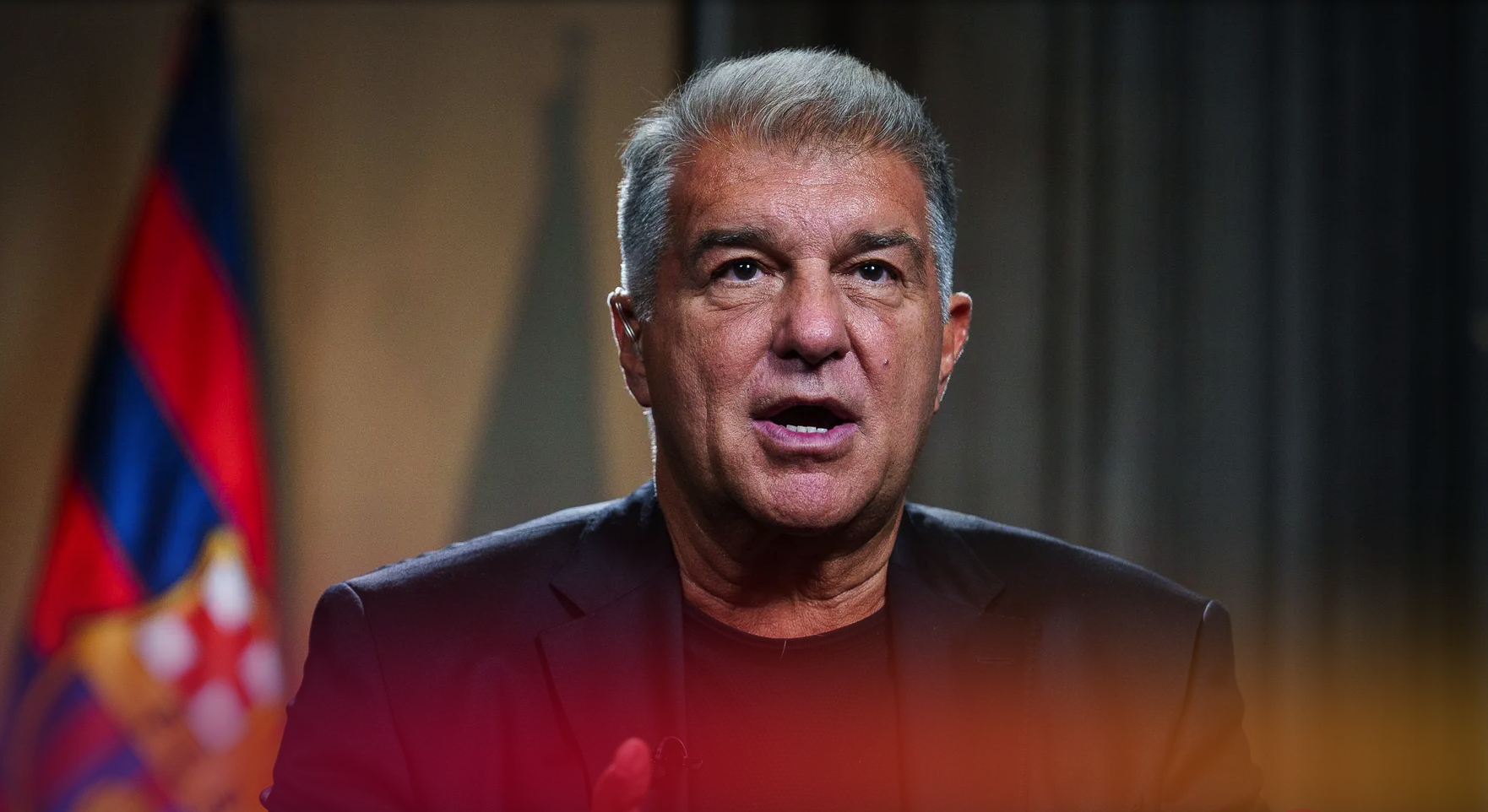
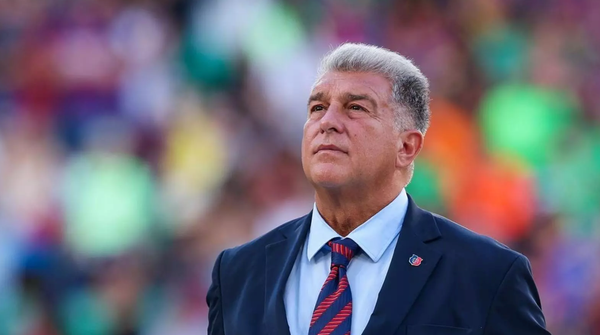
Just after midnight on 16 March 2026, Joan Laporta walked into the auditorium at Camp Nou to a chorus of "president, president, president." He had just won 68.18% of the vote — 32,934 ballots from 48,480 members who turned out — crushing his only rival, Víctor Font, who received 29.78%. It was a landslide by any measure. The second-highest vote total for any Barcelona president in history, surpassed only by Sandro Rosell's 35,021 in 2010.
"This result is resounding," Laporta said. "It gives us so much strength that it makes us unstoppable. Nobody will stop us. Exciting years are coming — and they will be the best years of our lives."
It was vintage Laporta. Operatic. Confident to the edge of grandiosity. And, in a very specific way, true.
But the morning after the celebration, the numbers that actually define his new mandate are not the vote totals. They are the other ones.
Why He Won
The honest answer is Hansi Flick. When you are running a football club that is top of La Liga, through to the Champions League quarter-finals, and producing some of the most exciting football on the continent — with a team built on La Masia teenagers playing alongside a Ballon d'Or contender who is 18 years old — it is very hard for any opposition candidate to make the crisis stick. And Víctor Font, for all his financial rigour and genuine credentials, was campaigning against Lamine Yamal, Raphinha and Marc Bernal.
Laporta's case was simple and it landed: I saved this club, I brought in Flick, I gave you this team, and now I need five more years to finish the job. More than two-thirds of voting members agreed. The Flick project was the cornerstone of his campaign and it gave him shelter from almost every other criticism Font could throw.
The on-pitch story was real. Under Laporta's second spell, the men's team won two La Liga titles. The women's team won three Champions League trophies. The domestic treble last season under Flick restored the feeling — the visceral, identity-level feeling — that this was Barcelona again. After the Messi era ended in tears, after the Bartomeu years of reckless spending and institutional chaos, after the initial financial shock of Laporta's return in 2021, the club was playing football that made people proud to be culés. That matters enormously in an election decided by members who love their club with the fervour of a religion.
There was also the stadium. The first two tiers of the renovated Spotify Camp Nou opened against Sevilla on election day itself, increasing capacity to over 60,000, with the third tier still under construction. It was, whatever you think of the financial model that funded it, a visceral symbol of transformation. People could see it. They could sit in it.
Laporta won because the most important things — football, identity, belonging — were going right. And in that context, the deficits were survivable as a campaign argument.
The Numbers He Cannot Escape
Font's central charge was debt. He was not wrong about the facts, even if the members chose to look past them.
When Laporta returned in 2021, he inherited approximately €1.3 billion in debt from the Bartomeu era, much of it short-term. Under his stewardship, that figure has grown to over €2 billion. The Espai Barça stadium renovation — initially budgeted at €960 million — has ballooned to an estimated €1.45-1.5 billion total, with costs already exceeding the original Limak Construction contract by over €300 million due to inflation, rising material costs and logistical delays. Some estimates, including those cited during the election campaign by independent economists, place total combined debt — club debt plus stadium financing — closer to €3.5 billion.
The stadium renovation carries its own pressure point: the naming rights deal with Spotify requires a fully functional return to the stadium by 1 July 2026. If that deadline is missed, the annual naming rights revenue drops from €20 million to €5 million. Every delayed delivery of materials is a multi-million-euro consequence, not a construction inconvenience.
Barcelona has also sold 25% of its La Liga TV rights for 25 years in exchange for immediate cash — a lever that boosted the salary cap in the short term but costs the club tens of millions annually in revenue, permanently, until 2047. Rating agency Morningstar DBRS recently upgraded the club's outlook from "stable" to "positive," which is a genuine sign of stabilisation. But the weight of these obligations is real and will define every major financial decision Laporta makes between now and 2031.
The debt that existed when he arrived has been joined by debt that exists because of his own decisions. He owns all of it now.
What This Mandate Must Deliver
Laporta will formally begin his new term on 1 July 2026, when the new Board of Directors assumes control. Five years. Here is what the mandate actually requires.
Complete the stadium — on time and within a manageable financial envelope. The fully finished 105,000-capacity Camp Nou is not expected to be ready until 2027 at the earliest. When it is complete, the projections suggest it will generate an additional €300-350 million in annual operating income from hospitality, premium seating and commercial spaces. That revenue is the key to unlocking genuine financial recovery. The stadium is not just a building project. It is the economic engine on which Barça's future model depends. Missing the Spotify deadline on 1 July would be an early and costly failure.
Manage the Negreira shadow without letting it become a catastrophe. The case in which Barcelona paid €8.4 million to José María Enríquez Negreira — then vice president of Spain's refereeing committee — between 2001 and 2018 is still working its way through the courts. Barcelona denies all wrongdoing and the courts have so far not found evidence of sporting corruption in the formal sense, with La Liga president Javier Tebas stating it is "clear" that Barcelona did not pay referees to influence matches. But the investigation continues. A conviction, or a finding of institutional wrongdoing, would be catastrophic — for the club's reputation, for its legal position, and for Laporta personally. He has promised acquittal. He needs it.
Extend the Flick project. The greatest sporting gift Laporta gave the club was persuading Flick to come. The German coach's contract situation and future beyond the current season must be resolved — clearly, quickly, and without the ambiguity that damaged the club's relationship with Xavi. Lamine Yamal, Pedri, Marc Bernal, Pau Cubarsí — this generation needs stability, continuity, and the right people in charge of their development. Laporta won the election on this team. He has to keep building it.
The Xavi "and Messi" Wound
And then there is the thing that happened just before the election. The thing that will not go away, and should not.
In the week before polling day, Xavi Hernández gave an explosive interview to La Vanguardia in which he called Laporta a liar — multiple times, on multiple issues — and made a claim that landed like a bomb in the middle of an election campaign: that Lionel Messi's return to Barcelona in the summer of 2023 had been agreed, that La Liga had given the green light, that everything was in place — and that Laporta personally blocked it because he feared that Messi's return would shift the power balance inside the club in Messi's favour.
Xavi also said he was convinced to stay as manager in early 2024 when he had initially decided to leave — Laporta told him, he said, "I don't see the team without you" — only to be sacked weeks later without being told the truth about why. He accused Laporta of being more influenced by his close advisor Alejandro Echevarría than by the president's own judgment. He said he would "never return to Barça."
Laporta's version is different. He says the contract was sent to Jorge Messi, and that in May 2023, Messi's father told him it couldn't happen because Leo would be under too much pressure in Barcelona and preferred Miami. Former sporting director Mateu Alemany backed Xavi's account, telling Movistar that "they told us they had La Liga's approval for Leo Messi to return." La Liga president Javier Tebas disputed Xavi's claims about the financial situation. Messi himself stayed silent throughout.
The truth — whoever holds it — may never be fully established in public. But here is what is inescapably true: Xavi Hernández, one of the most beloved figures in this club's modern history, chose election week to say that the sitting president was lying to the members who were about to vote. He voted anyway — and so, apparently, did most of the membership.
The sadness in all of this is specific and real. It is not just the political noise, or the campaign timing of the revelations, or the disputed facts about whether Messi could have come back. It is that Xavi — the embodiment of everything Barcelona believes about itself, the midfielder from Terrassa who played the Cruyff way before he could drive, who won everything there was to win in a Barça shirt, who came back to manage the club he loved — left with a bitterness that feels disproportionate to his standing in the institution. Whatever happened between him and Laporta, the ending was ugly.
And the election week explosion made it uglier.
Laporta is president until 2031. Xavi has said he will never come back. The club where both of them built their greatest chapters is moving forward. Whether that wound heals — or whether it stays open, a quiet source of institutional damage — is something only time and behaviour will answer.
Joan Laporta is the right president for this moment. Not because he is without flaws — the financial picture is genuinely difficult, the Negreira case remains a live threat, and his handling of both Messi's exit and Xavi's tenure has left real people with real grievances. But because the alternative — institutional disruption at the moment when a sporting golden era is beginning to crystallise — would have been worse. The socios understood that, and they voted accordingly.
The mandate he has earned is enormous. 68% of those who turned out. The second-highest personal vote in the club's history. "Unstoppable," as he said.
He has the team. He has the coach. He has the stadium half-built and the financial architecture in place. He has a generation of players who could define the next decade of European football.
What he does not have is the luxury of improvisation. The next five years require finishing the Espai Barça project on budget and on time, navigating the Negreira case without institutional damage, extending the Flick project with clarity and purpose, and managing the club's finances with a discipline that the last decade has not always suggested.
The members gave him everything he asked for. Now he has to deliver on it.