Barca win the super cup, Alonso says farewell while PSG poach another one from La Masia
11 wins and counting as Ter Stegen joins Girona for minutes, Rashford fights for his Barça future, and Dro Fernández becomes the latest La Masia to choose Paris over patience

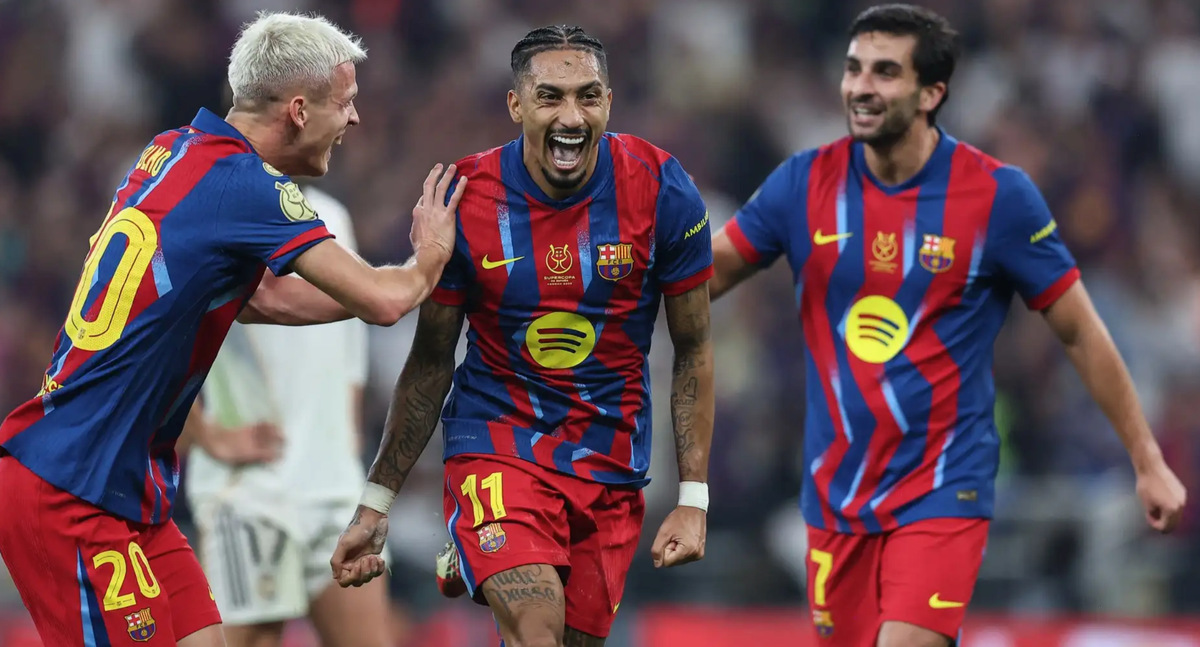
11 wins and counting as Ter Stegen joins Girona for minutes, Rashford fights for his Barça future, and Dro Fernández becomes the latest La Masia gem to choose Paris over patience
FullBack - The BarcaFutbol Podcast
Jeddah Jewel: Barcelona Win the Supercopa, But the Real Story Is Madrid's Identity Crisis
We'll take the trophy, but let's be honest—this was more about Madrid's identity crisis
Barcelona did not really dismantle Real Madrid in Jeddah. We won. We were champions fair and square. But the 3-2 victory in the 2026 Spanish Super Cup final was far more revealing about our rivals' dysfunction than a triumphalist narrative in jingoism would suggest.
The scoreline could easily have been reversed. Madrid had chances—clear chances—in the final twenty minutes that they squandered. Mbappé, introduced as the cavalry, couldn't find the finishing touch. Rodrygo forced saves from Joan García. The crossbar intervened. Barcelona clung on, rode luck, and walked away with silverware.
Sometimes that's how cup finals work.
But here's what genuinely disturbed me about watching this match, and what should concern anyone who loves this rivalry: Real Madrid didn't look like Real Madrid.
Xabi Alonso's tactical setup was bizarre—a back five, sitting deep, absorbing pressure, waiting to counter. This is Real Madrid we're talking about. The club that has built its identity on domination, on imposing their will, on making opponents fear them from the first whistle. Instead, they were content. Passive. Reactive. Barcelona had nearly 70% possession and still struggled to create meaningful chances because Madrid simply didn't engage.
They soaked up pressure like a mid-table side protecting a point at the Bernabéu.
And the strangest part? Alonso's approach almost worked. The counter-attacking plan was coherent—Vinícius Junior's extraordinary individual goal demonstrated what Madrid could produce when given space to run into. His nutmeg on Koundé, the jinking run past Cubarsí, the composed finish—that was a glimpse of what Madrid should be capable of consistently.
But one moment of brilliance from your best player isn't a tactical philosophy.
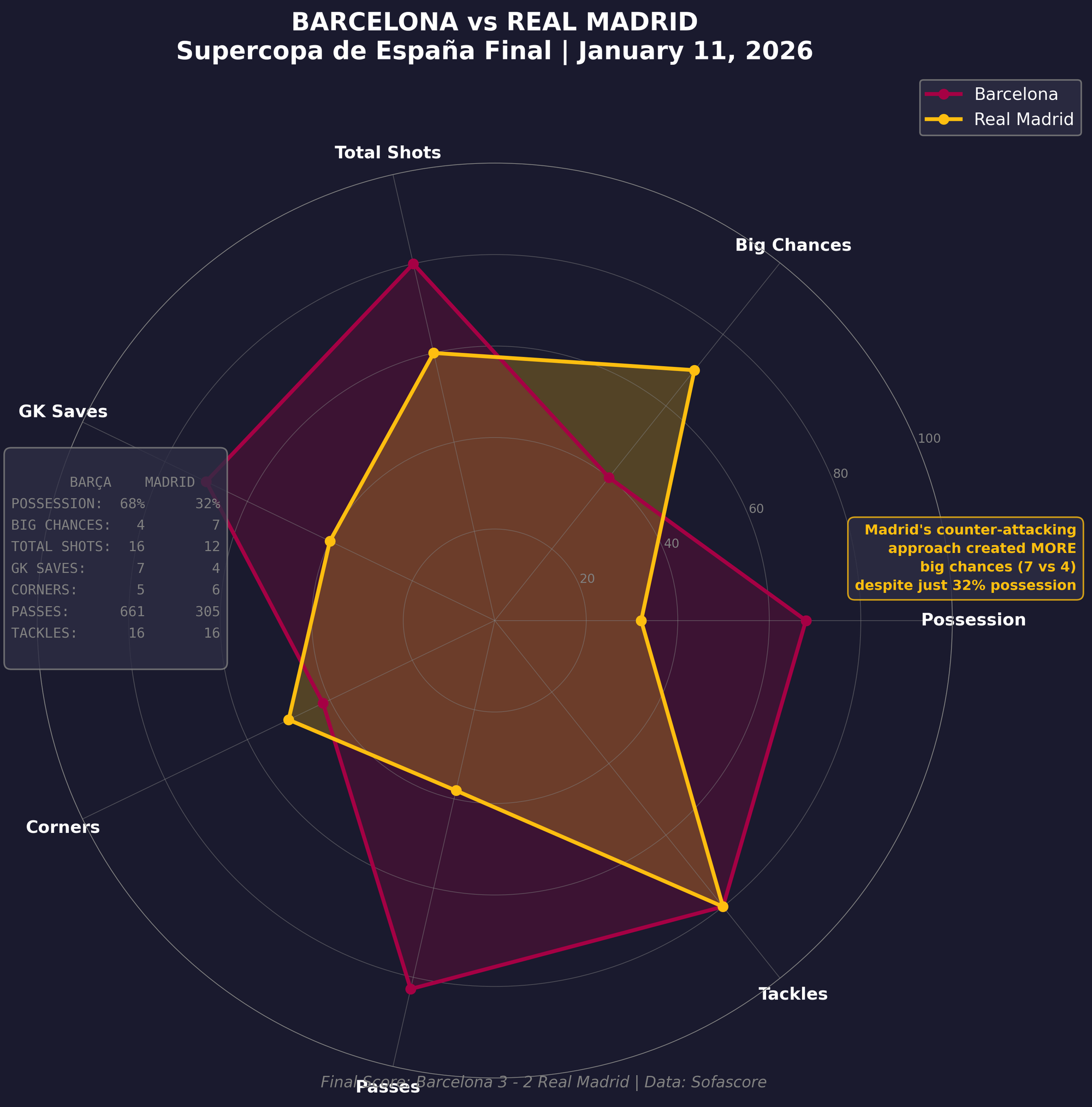
The first-half stoppage time chaos encapsulated everything. Vinícius equalises with a moment of genius. Forty-five seconds later, Lewandowski restores our lead with a delicate chip. Two minutes after that, Gonzalo García bundles in another Madrid equaliser. Three goals in five minutes, none of them resulting from structured build-up play. Just chaos, individual quality, and the randomness that cup finals sometimes produce.
Barcelona's performance wasn't convincing either. Possession without penetration defined much of our attacking play. The final ball was lacking. Raphinha's opening goal was excellent, a left-footed strike that gave Courtois no chance, but opportunities of that quality were rare.
We controlled territory without controlling the game's destiny.
The winner, in the 73rd minute, was fitting for such a strange evening—Raphinha slipping as he shot, the ball deflecting off Asencio before trickling past Courtois. Fortune favouring the team that at least tried to attack, perhaps, but hardly the stuff of tactical textbooks.
What matters most, though, is what this result meant for both clubs. For Barcelona, it's an eleventh consecutive victory, a trophy secured, and momentum maintained. Joan García was solid when tested. Pedri controlled midfield tempo. The celebrations at full-time were genuine and deserved—we are the better team right now, even if this particular performance didn't emphatically prove it.
For Madrid, the implications were a bit more suppressed. Their fanbase doesn't accept pragmatism. The Bernabéu crowd demands domination, expects their team to dictate terms regardless of opponent. Watching Madrid sit deep and hope for counter-attacks felt like a betrayal of everything the white shirt represents. The post-match atmosphere was toxic—Mbappé apparently ignoring Alonso, players visibly frustrated, the social media discourse already turning against the manager.
Twenty-four hours later, Alonso was gone. The tactical conservatism that nearly won the final instead cost him his job. There's a lesson there about Madrid's institutional character, about the impossibility of the job, about how results alone are never enough at a club where nuance and narrative are non-negotiable.
Barcelona claimed theur 16th Supercopa de España, extending the record, and a second consecutive triumph over Madrid in this competition. We are champions, and that's what history will record, but many wll remember this final for a different reason: the night Real Madrid forgot who they were.
The Alonso Aftermath: Madrid's Identity Crisis and the Impossible Search for What Comes Next
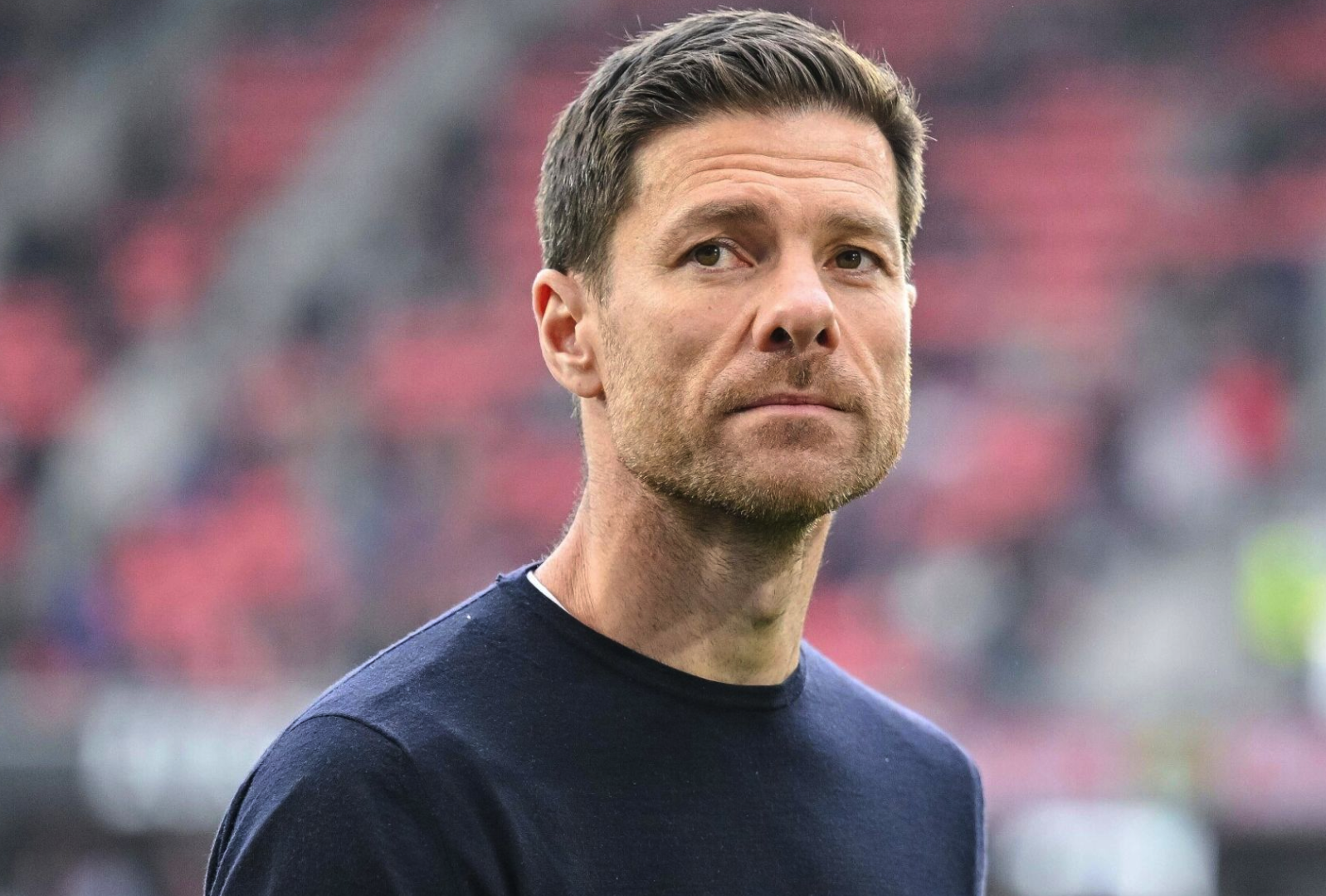
While Barcelona finds stability under Flick, Real Madrid faces an existential question: who can possibly fix this?
The contrast couldn't be starker.
On one side of the Clásico divide, Barcelona have found equilibrium—a clear identity under Hansi Flick, a playing style that honours the club's traditions while evolving for modern demands, and the kind of institutional stability that breeds sustained success. On the other, Real Madrid are a bit devoid of what they stand for, having dismissed Xabi Alonso less than 24 hours after the Supercopa final and installed Álvaro Arbeloa as a caretaker solution until summer.
That word—caretaker—tells you everything about Madrid's current predicament. They've effectively conceded that this season is about damage limitation rather than genuine competition, parking the managerial question until June while hoping Arbeloa can steady a ship taking on water from multiple directions.
But the larger issue isn't who manages Real Madrid for the next five months. It's who manages them afterward. And increasingly, that question feels unanswerable.
The circumstances of Alonso's departure have been widely documented: the reported tension with players, the dispute over fitness coach Antonio Pintus, the tactical compromises that satisfied nobody. What's been less examined is what Alonso's failure reveals about the fundamental impossibility of the Real Madrid job in its current form.
Consider what Alonso was asked to do: implement a new playing style at a club whose identity is non-negotiable; manage egos that have won everything while being told they need to change; satisfy a president who demands both results and aesthetics; compete immediately while also building for the future. The 5-2 derby defeat to Atlético rattled him, and his subsequent retreat into defensive pragmatism—the low blocks, the counter-attacking emphasis we witnessed in Jeddah—represented an abandonment of the principles that made him attractive in the first place.
The Supercopa final crystallised the problem. Alonso's Madrid didn't look like Madrid. They were passive, reactive, content to soak up pressure rather than impose their will. For many Madridistas, this was more offensive than the defeat itself. Real Madrid's identity is built on domination—making opponents fear them, dictating terms regardless of context. Watching their team sit deep and hope for counter-attacks felt like cultural betrayal.
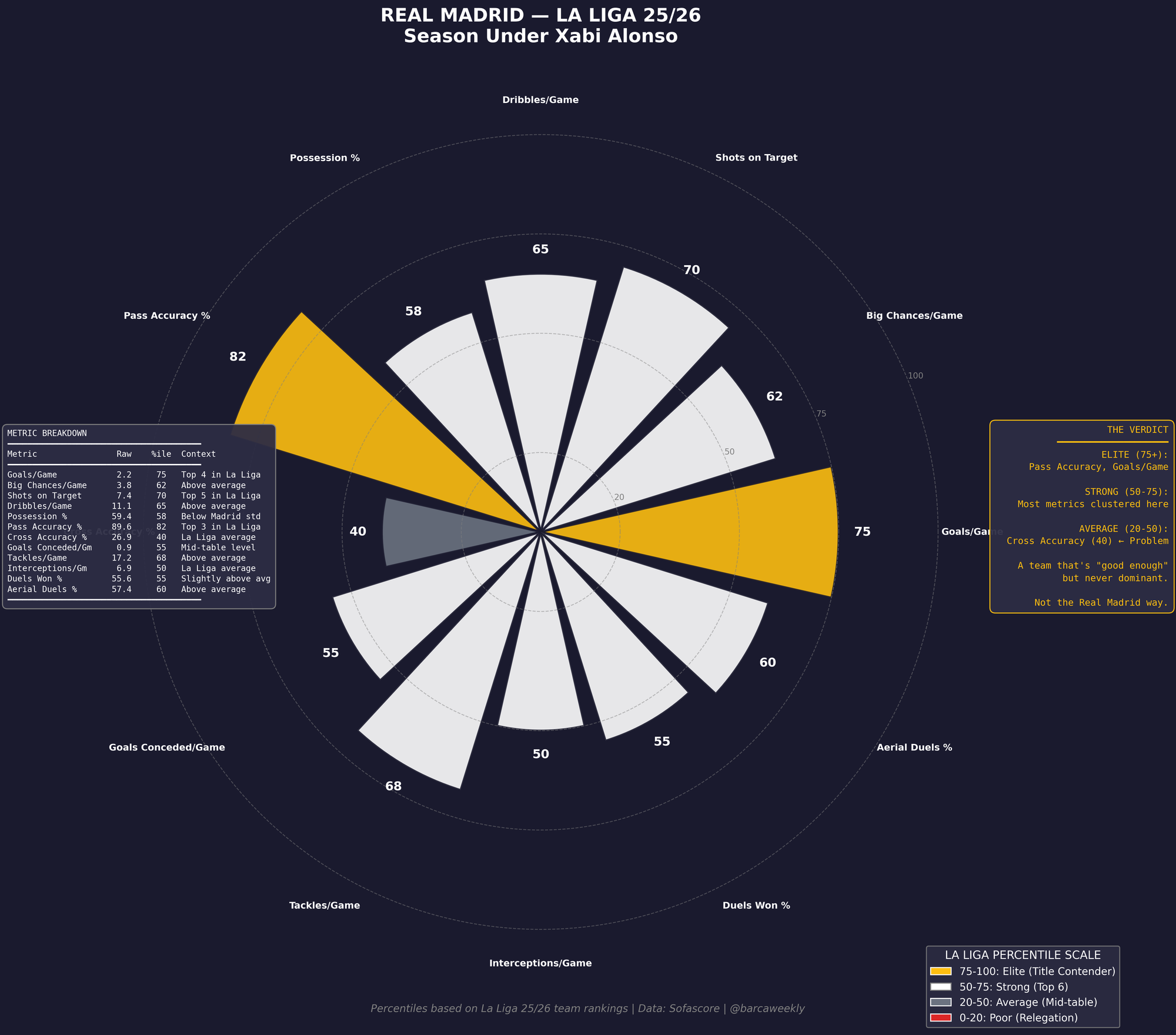
And this gets clearer as you look into the season stats for Madrid in La Liga normalised to other La Liga teams. Look at all that white. Real Madrid under Xabi Alonso weren't bad — they were acceptable, and that's the problem. Almost every metric sits in the 50-75 "Strong" band, the territory of a team that finishes third or fourth and calls it progress. Only Pass Accuracy (82) and Goals/Game (75) touch elite levels, and even those are carried by individual brilliance rather than system. Meanwhile, Cross Accuracy (40) sits in gray mediocrity, and Possession at 58 is damning for a club that built its modern identity on suffocating opponents with the ball. Madrid fans don't want a team that's "good enough" — they want domination. This chart shows a side that was consistently above average and never once outstanding.
For Real Madrid, that's an identity crisis.
And that is a concern. Ancelotti's second spell grew stale. Alonso's tactical innovation couldn't survive contact with Madrid's dressing room politics. The common thread is clear: this is a job that chews up managers regardless of their philosophy or pedigree.
So who comes next? The rumour mill is already spinning, and the names being mentioned reveal the scale of Madrid's ambition—and perhaps their delusion.
Jürgen Klopp is the romantic choice. The German's sabbatical was always time-limited, and the prospect of him restoring Madrid's emotional intensity is tantalising. But would Klopp accept the constraints that come with the Bernabéu? His Liverpool tenure was built on total control—recruitment, tactics, culture. Florentino Pérez doesn't delegate authority like that. The fit feels awkward despite the obvious talent.
Luis Enrique is the provocative option. Currently serving PSG—and, coincidentally poaching Barca players —the former Barcelona manager knows Spanish football and wouldn't be intimidated by the job's demands. Yes he is seen as a Barca legend but he has shown in more instances than one that what he wants is more important than the club he once represented. There is little place for badge sentimentalism.The cultural transgression would be immense, and Enrique's abrasive personality might clash with Pérez even more dramatically than Alonso's quietly stubborn approach.
Zinedine Zidane remains the ghost at the feast. Three Champions Leagues suggest he understands something about Madrid that others don't. But Zidane left twice for reasons that haven't disappeared—the recruitment disagreements, the lack of sporting direction support, the sense that he was a figurehead rather than a genuine architect.
Would a third spell be any different?
The deeper question is whether anyone can succeed at Madrid in its current configuration. The squad is aging in key positions. The wage structure is bloated. The president's interference in footballing matters is well-documented. And the expectations remain stratospheric—Champions Leagues are demanded, not hoped for.
Meanwhile, Barcelona quietly prepare for Real Sociedad, eleven wins into a streak that could become historic, with a manager who has been given time, resources, and the autonomy to implement his vision. The stability we've found isn't accidental; it's the product of institutional choices that Madrid seem somewhat reluctant to make for some reason.
Arbeloa will do his best until summer. His debut against Albacete in the Copa ended in a humiliating defeat—a 3-2 loss to a second-division side that suggests the problems run deeper than any managerial change can address. The players look disconnected.
For culers, the schadenfreude is tempting but ultimately irrelevant. Madrid's crisis doesn't make us champions—our own performances do. The summer will bring a new Madrid manager, fresh hope, and inevitably renewed competition. But right now, in January 2026, the balance of power in Spanish football seems to be in catalunya for now
The Torch Passes: Ter Stegen's Girona Move Completes Barcelona's Goalkeeping Transition
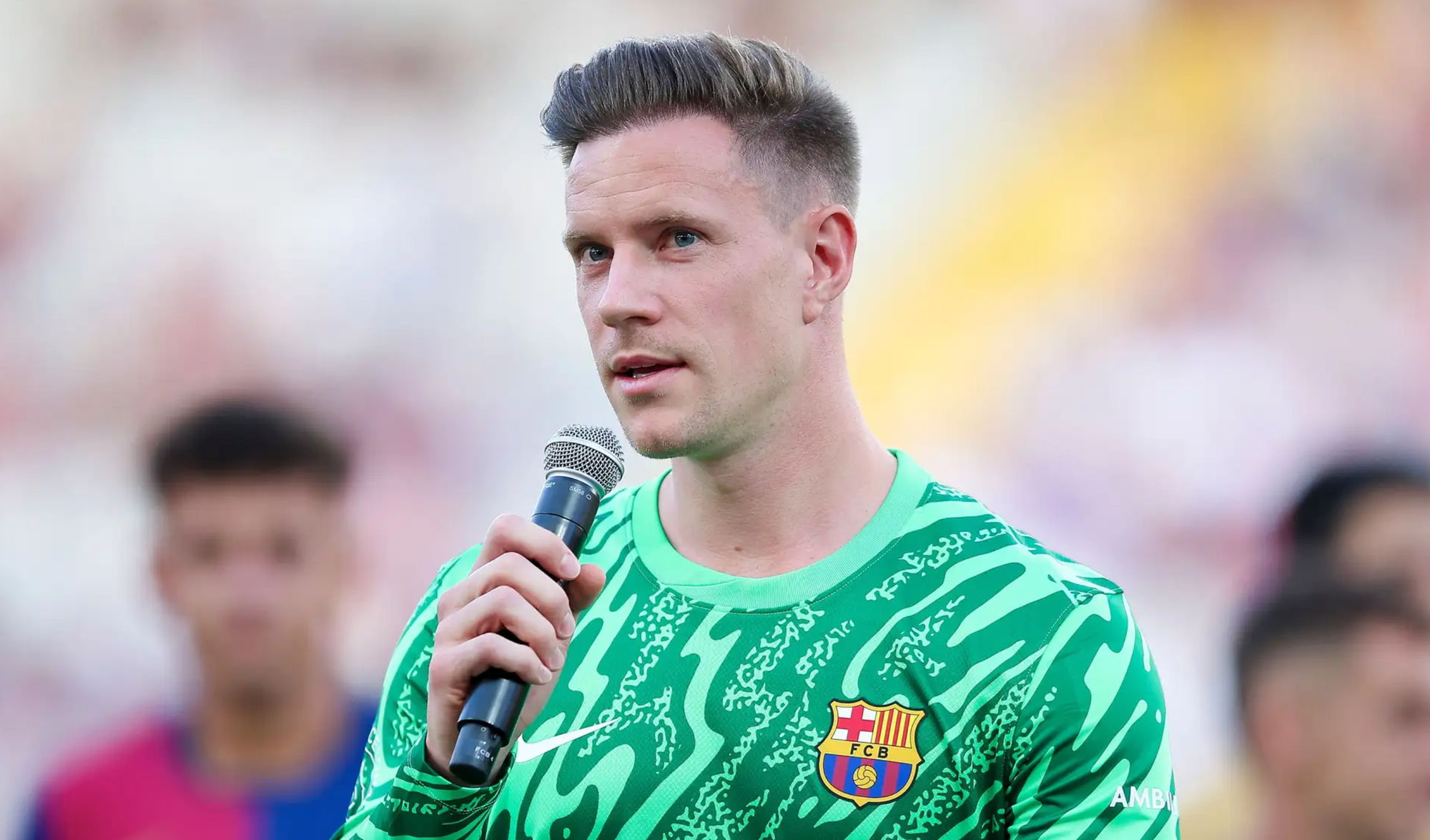
A decade of excellence deserves a proper goodbye—and a chance to keep Germany's World Cup gloves.
Football operates in cycles. Champions emerge, dominate, and eventually yield to the next generation. It's the natural order—sometimes cruel, always inevitable, but ultimately healthy for clubs that aspire to sustained success.
Marc-André ter Stegen's loan move to Girona isn't a tragedy. It's the completion of a transition that began months ago, handled with the professionalism that befits a player of his stature and a club of Barcelona's traditions.
We've been here before. In 2014, Ter Stegen arrived as the heir apparent to Víctor Valdés, tasked with displacing Claudio Bravo—a goalkeeper who had himself been excellent for Barcelona. The transition took time. There were debates about who should start in which competitions, discussions about pecking orders and cup hierarchies. Eventually, Ter Stegen's quality won out. Bravo moved on. The German became our undisputed number one for the next decade.
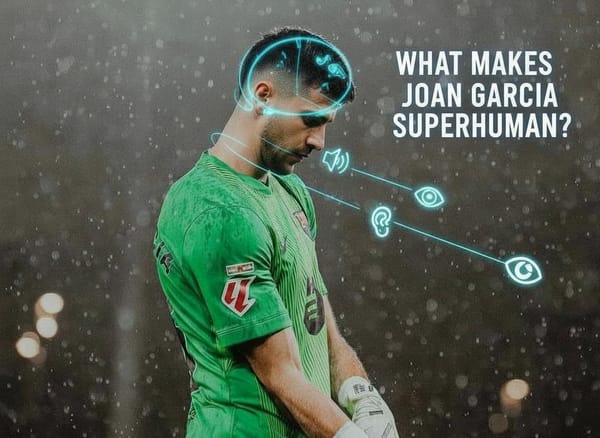
Now Joan García has done what Ter Stegen once did: seized an opportunity and made himself undroppable. The young goalkeeper's performances this season—commanding, agile, increasingly confident with distribution—have established him as Barcelona's present and future between the posts. Wojciech Szczęsny provides experienced backup. The goalkeeping department is secure.
Which left Ter Stegen in an impossible position: third choice at a club where he'd been captain, watching from the bench while his World Cup dreams drifted further from reach.
The Girona move makes perfect sense for everyone involved. Ter Stegen needs minutes—regular, competitive minutes—to convince Julian Nagelsmann that he remains Germany's best option for this summer's tournament. The national team coach has been explicit: fitness and form matter, and both require playing time that Barcelona couldn't offer. At 33, this World Cup represents Ter Stegen's final opportunity to claim the starting position that Manuel Neuer's longevity has repeatedly denied him. The tournament in North America could be his crowning achievement—but only if he arrives match-sharp.
Girona provides that platform. Míchel's side have struggled with goalkeeping consistency this season—Paulo Gazzaniga has underwhelmed, Dominik Livaković's loan is ending—and the chance to acquire a player of Ter Stegen's calibre, even temporarily, addresses an obvious weakness. The geographical proximity matters too: Montilivi is barely 100 kilometres from Barcelona, minimising family disruption for a player whose children are settled in Catalonia.
The financial structure required creativity. Ter Stegen agreed to a significant salary reduction—reportedly forfeiting most of his wages—with Girona contributing approximately €1 million and Barcelona covering the majority. For a player who could have insisted on his contractual rights and collected his salary while sitting on the bench, this represents genuine sacrifice in pursuit of sporting goals. It deserves respect.
What shouldn't be lost in the transactional details is appreciation for what Ter Stegen gave Barcelona. Four hundred and twenty-three appearances. Eighteen trophies. A decade of consistently elite performances that maintained the club's goalkeeping standards during turbulent years of institutional and sporting upheaval.
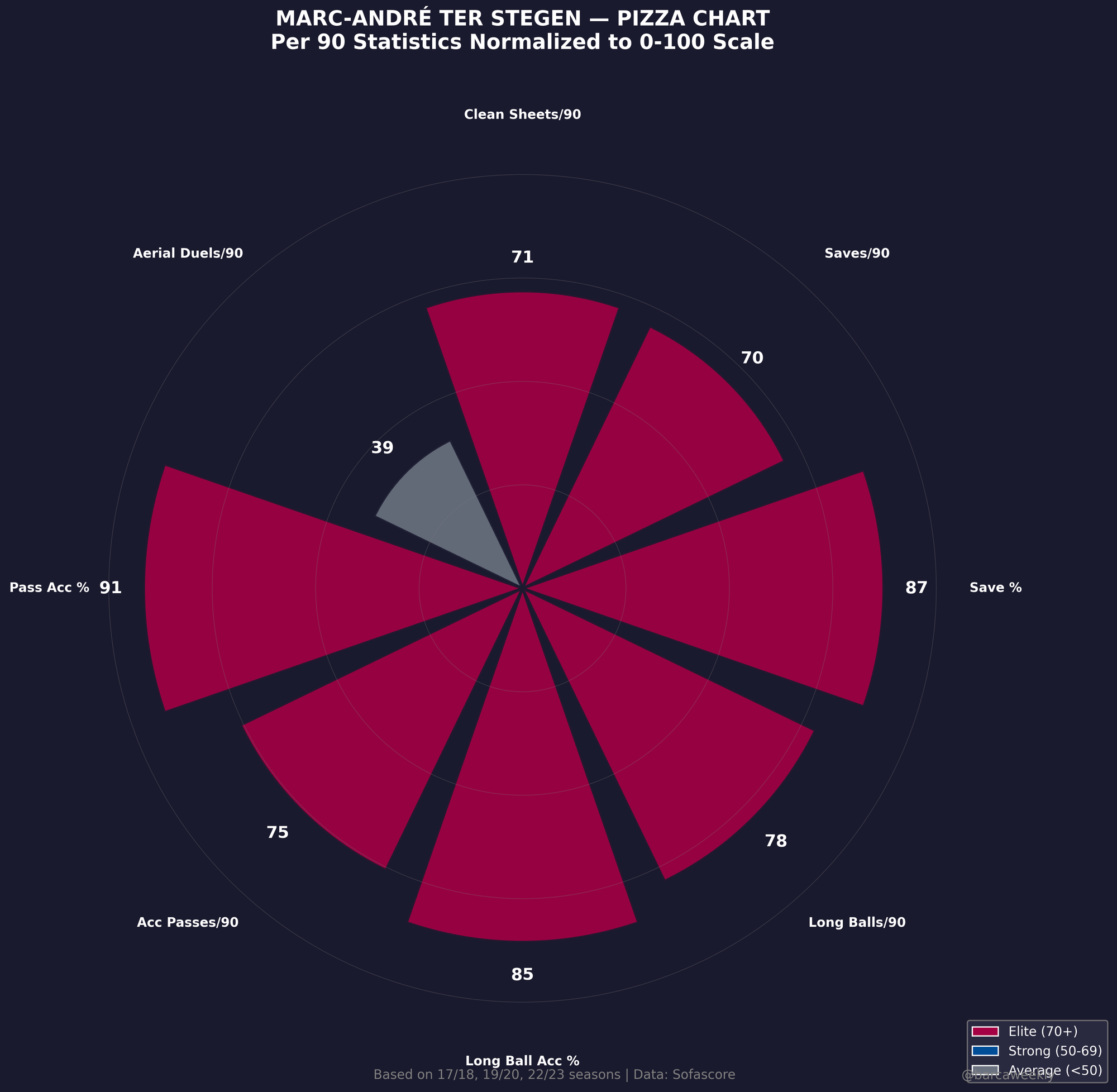
He was the sweeper-keeper before the term became ubiquitous—comfortable with the ball at his feet, brave in coming off his line, capable of distribution that unlocked counter-attacks and bypassed pressing traps. His penalty save against Real Sociedad in 2023, the fingertip denial of Mbappé in the 2024 Champions League, the countless quieter moments of competence that kept Barcelona competitive during rebuilding years—these contributions shaped our recent history.
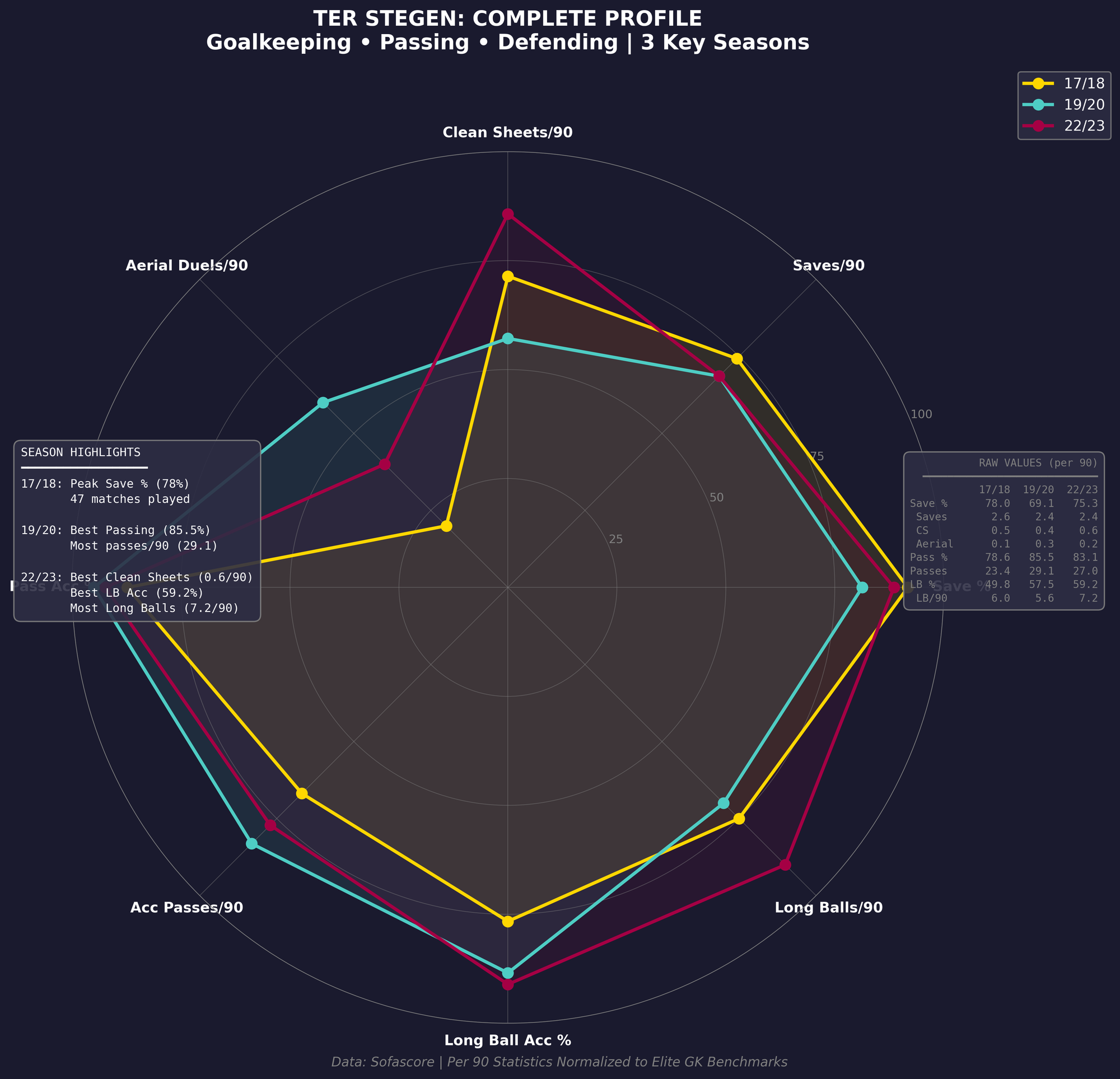
The timing of his departure feels right rather than forced. García's emergence has been organic, his quality evident to anyone watching this season. Flick's preference became clear through selection rather than public statement. And Ter Stegen, to his enormous credit, has handled the situation with the dignity that characterised his entire Barcelona tenure—no complaints, no public frustrations, just a professional acceptance that cycles turn and chapters close.
I hope Girona fans appreciate what they're receiving: a goalkeeper who could start for virtually any club in Europe, available because circumstance and ambition aligned. I hope Ter Stegen plays every minute between now and June, regains whatever sharpness the injury layoffs cost him, and arrives at the World Cup ready to finally claim the German number one shirt he's deserved for years.
And I hope that when his career concludes—whether this summer or beyond—he returns to Camp Nou for the farewell ovation he deserves. The standing reception, the lap of honour, the emotional acknowledgment of services rendered. Barcelona's greatest goalkeepers—Ramallets, Sadurní, Zubizarreta, Valdés—are remembered with reverence. Ter Stegen belongs in that company.
The torch has passed. García carries it now. But we should never forget who held it so brilliantly for the decade just ended.
Gràcies, Marc. Girona is lucky to have you. Germany will be too.
Racing Santander 0-2 Barcelona: How Flick's Rotation Kept the Momentum Rolling
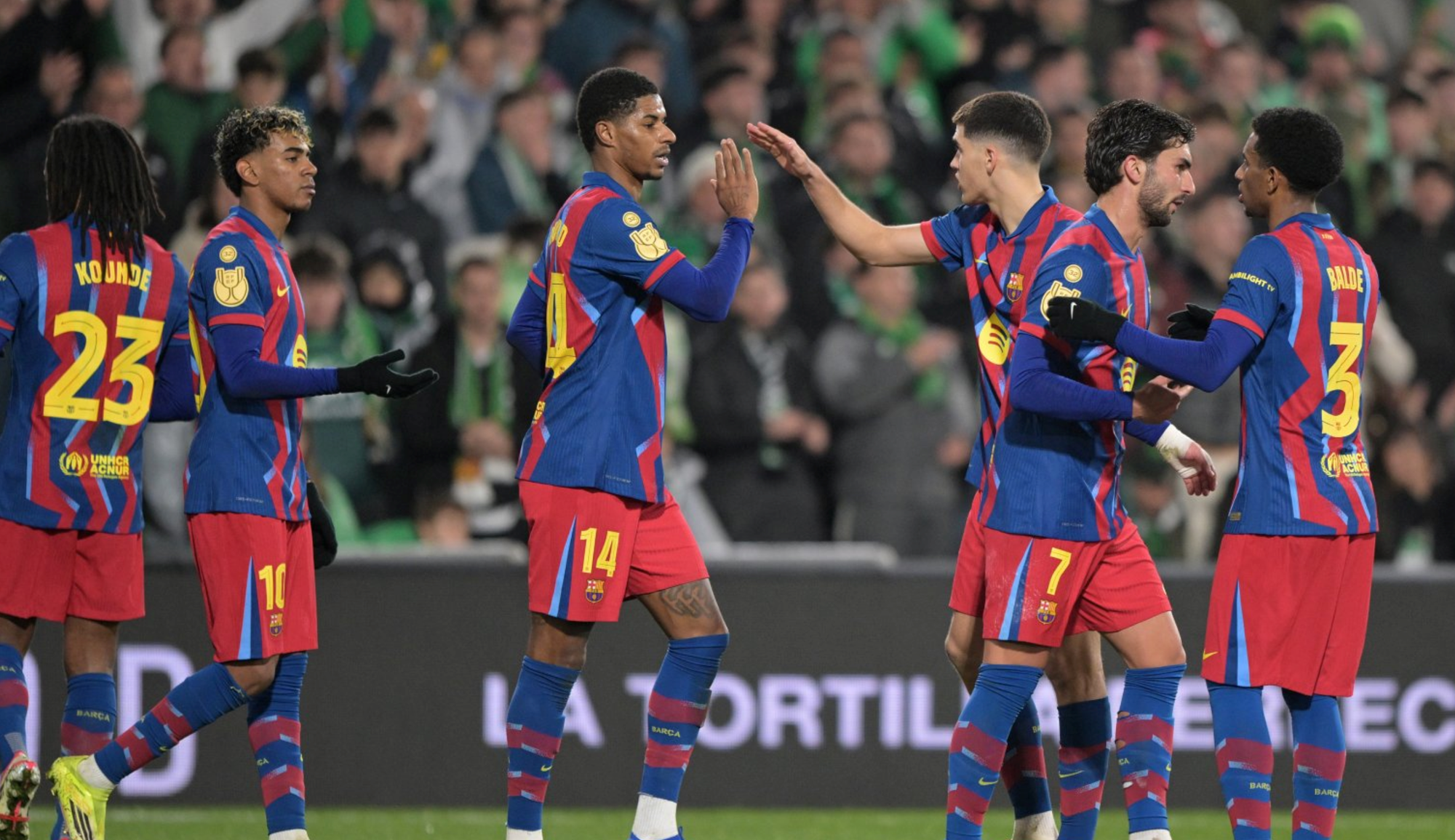
Eleven consecutive wins. A Copa del Rey quarter-final secured. All without breaking a sweat.
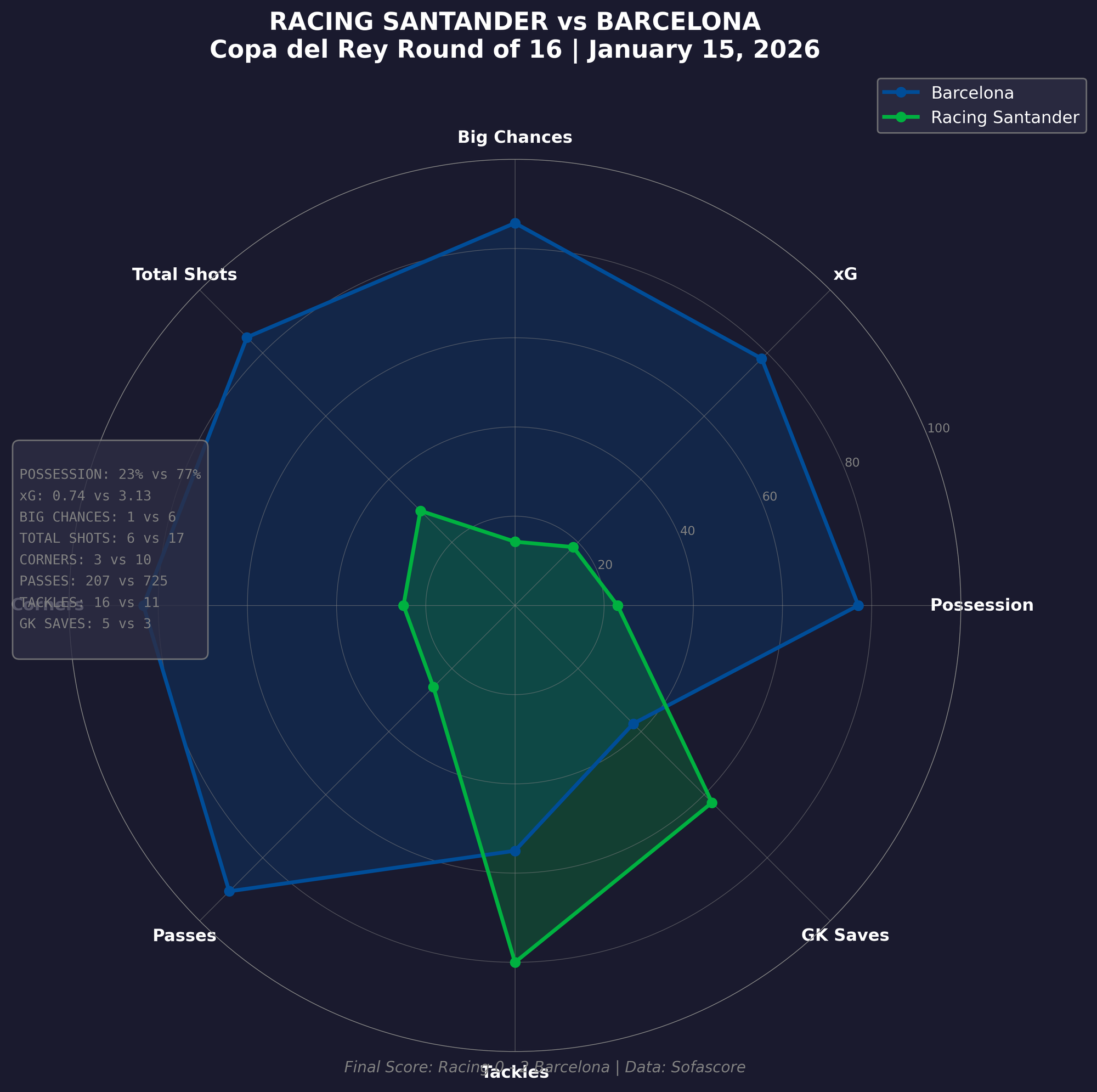
Cup ties against lower-league opposition are supposed to be banana skins, opportunities for embarrassment, the sort of fixtures that end managerial careers and become pub quiz answers. Barcelona's 2-0 victory at El Sardinero was nothing of the sort—a professional, composed performance that extended our winning streak to eleven games and secured passage to the Copa del Rey quarter-finals with minimal drama.
The scoreline flatters to deceive somewhat. For long stretches, Racing—top of LaLiga Hypermotion and riding a wave of home support—made life uncomfortable. Their high press disrupted Barcelona's usual build-up patterns; their direct approach created moments of genuine concern in our defensive third. Flick's decision to rotate heavily, resting Raphinha, Pedri, and Lewandowski entirely, meant a less fluid attacking performance than we've become accustomed to. But cup football is about progression, not aesthetics, and on that measure, the job was done.
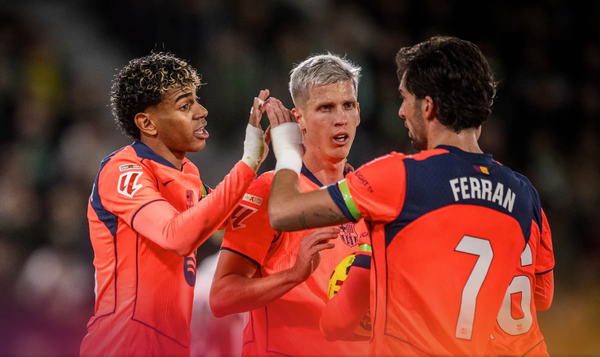
Ferran Torres' opener deserves particular attention. His goal was clinical, the finish of a player whose confidence has returned under Flick's management. More notable was the context: Ferran wearing the captain's armband, leading by example in the absence of more established leaders. His willingness to take responsibility, to demand the ball in tight spaces and drive at defenders, represents genuine growth. Critics who had written him off as an expensive mistake are being forced to reassess.
The tactical setup was interesting—a 4-2-3-1 that morphed into a 4-3-3 in possession, with Fermín López operating as a false nine at times and dropping into midfield to create numerical superiority. Racing's 4-4-2 struggled to cope with Barcelona's positional rotations, particularly when Cancelo—making his second appearance since returning on loan from Al-Hilal—advanced into the halfspaces to combine with the attackers. The Portuguese full-back's technical quality was evident; his understanding with teammates will develop with time.
Lamine Yamal's injury-time goal sealed the result, but his overall performance was somewhat muted—understandable given his workload this season and the lack of regular partners around him. The teenager has been magnificent, carrying attacking responsibility beyond his years, but nights like this reminded us that even prodigies require support. When Dani Olmo returns from injury and the attacking combinations become more familiar, Yamal's numbers will only improve.
Defensively, Joan García continued his excellent form between the posts. Racing created opportunities—headers from set pieces, shots from distance, one-on-one situations—but the young goalkeeper dealt with everything calmly. His distribution, particularly under pressure, has improved markedly since the season's start. The concerns about replacing Ter Stegen have been largely alleviated, even if nostalgic affection for the German remains strong.
The historical significance shouldn't be overlooked: eleven consecutive wins equals our second-best winning streak in club history, achieved under Luis Enrique during the treble-winning 2014-15 campaign. Flick's Barcelona are in elite company, demonstrating the consistency that separates contenders from pretenders. One more victory would tie the all-time record.
What impressed most about this performance was the mentality. Racing, backed by a passionate home crowd desperate to see their club compete against LaLiga's best, threw everything at Barcelona in the final thirty minutes. Lesser sides might have crumbled; this Barcelona absorbed the pressure and killed the game with clinical efficiency. That mental resilience—the ability to win ugly when required—is the hallmark of champions.
The quarter-final draw awaits. Barcelona enter as favourites regardless of the opponent, but Flick will demand the same professional approach that characterised this victory. The Copa del Rey remains a priority—last season's triumph proved its value in completing the treble—and complacency will not be tolerated.
Onwards to Real Sociedad in LaLiga this weekend, where the winning streak will face its sternest test yet. Anoeta has rarely been kind to visiting sides, and La Real's defensive organisation will require Barcelona's best. But confidence is high, momentum is building, and this team believes it can beat anyone.
The Rashford Question: Should Barcelona Make the Loan Permanent?
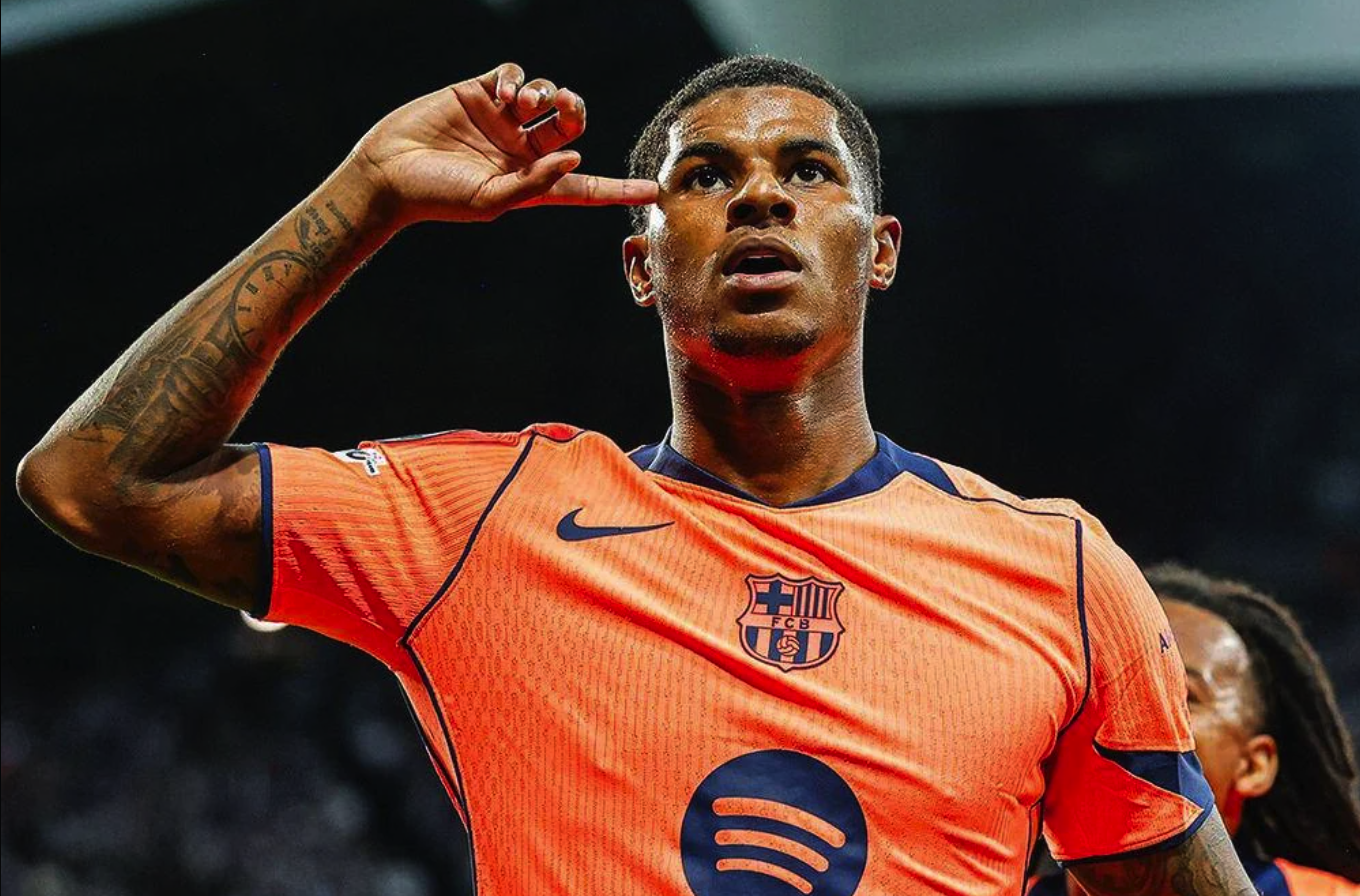
Eighteen goal contributions, undeniable talent, but questions remain about his long-term fit.
Marcus Rashford's Barcelona story is one of redemption, opportunity, and uncertainty—a narrative still being written as January unfolds and decisions loom about his future beyond June. The English forward arrived last summer as a man seeking escape from Manchester United's toxic dysfunction; six months later, he's won a trophy, contributed meaningfully to a title challenge, and faces a crossroads that will define the next phase of his career.
The numbers are impressive: seven goals and eleven assists in 28 appearances, a goal contribution every 90 minutes or thereabouts. For a player adjusting to a new league, language, and tactical system, that's commendable. His crossing, in particular, has been revelatory—diagonal balls that have created numerous opportunities for Lewandowski and others. The versatility Flick prizes is evident; Rashford has operated across the front three, adapting to different roles without complaint.
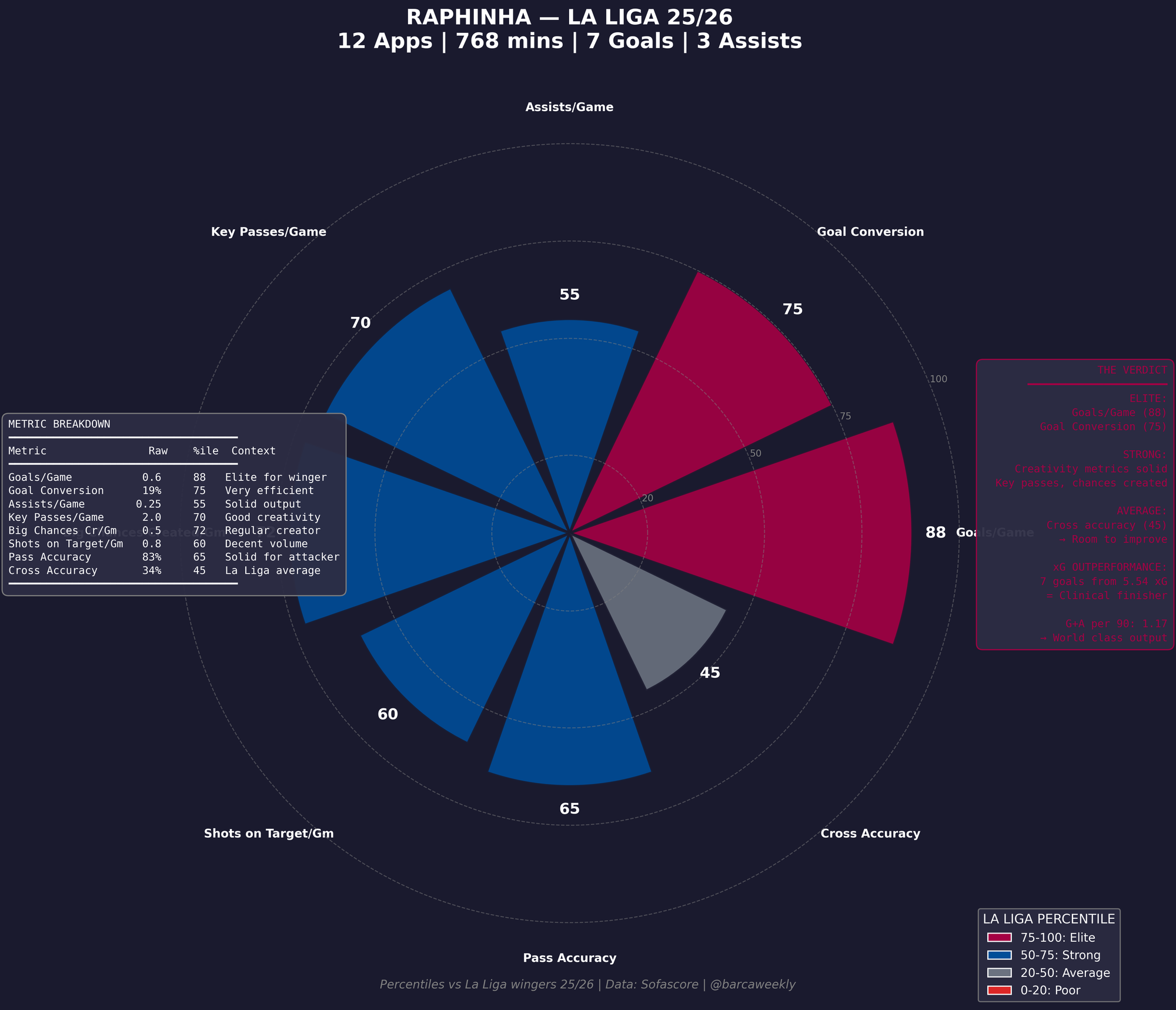
But context matters, and the context has shifted. Rashford's best performances came during Raphinha's injury absence, when he was the undisputed first-choice on the left flank. Since the Brazilian's return, playing time has diminished significantly. The last league start was against Celta in November; subsequent appearances have been predominantly from the bench, cameos rather than complete performances. This isn't criticism of Rashford—Raphinha has been magnificent, the best player in LaLiga by several metrics—but it raises questions about the English forward's role in the squad hierarchy.
Flick's press conference comments on Saturday were revealing. Asked about Rashford's future, the manager spoke of "managing decisions," praised "very good" performances, but pointedly noted that the player must "give his all" and "defend the colours" in the remaining months. The subtext was clear: nothing is guaranteed, and the €30 million buy option represents a significant investment that must be justified by contributions on the pitch.
The financial considerations are complex. Barcelona's wage structure is already stretched, and Rashford's salary—even accounting for United's contribution during the loan—is substantial. Whether the club can afford to add a €30 million transfer fee while also addressing other positions (a centre-back, a defensive midfielder, potentially a striker if Lewandowski departs) remains unclear. Deco's comment that "we have time" suggests no immediate decision is forthcoming.
From a tactical perspective, Rashford offers something different from Barcelona's other attacking options. His directness, willingness to run in behind, and physical presence provide alternatives to the more technical approach of Raphinha, Yamal, and Olmo. In games where Barcelona need to stretch defences vertically rather than dominate possession, Rashford's attributes become valuable. The Supercopa final demonstrated this: his late introduction provided fresh legs and tactical variation that helped see out the victory.
The player himself has been unambiguous. "What I want is to stay at Barça," he declared recently. "It's the ultimate goal." His adaptation to life in Catalonia—settling quickly, learning Spanish, embracing the culture—suggests genuine commitment rather than mercenary opportunism. The happiness is visible; Rashford looks like a player enjoying his football again, liberated from the pressure cooker of Old Trafford's perpetual crisis.
My assessment? Barcelona should pursue a permanent deal, but negotiate the fee downward. €30 million for a 28-year-old with diminished resale value is excessive, particularly given Rashford's reduced role since Raphinha's return. €20 million would represent fair value—a sum that acknowledges his contributions while accounting for the squad dynamics that limit his ceiling. United, desperate to recoup funds and move on from the Amorim era's remnants, might accept.
Alternatively, extending the loan for another season with an adjusted buy option could suit all parties. Barcelona retain a valuable squad player without committing significant capital; Rashford continues proving his worth with the security of knowing he's wanted; United delay but don't abandon hope of a meaningful fee.
Whatever happens, Rashford has exceeded expectations during this loan spell. From the depths of exile in Manchester to trophy-winning contributor in Barcelona—that's a redemption arc worth celebrating, regardless of what the summer brings.
The Dro Files: La Masia Loses Another to PSG's Millions
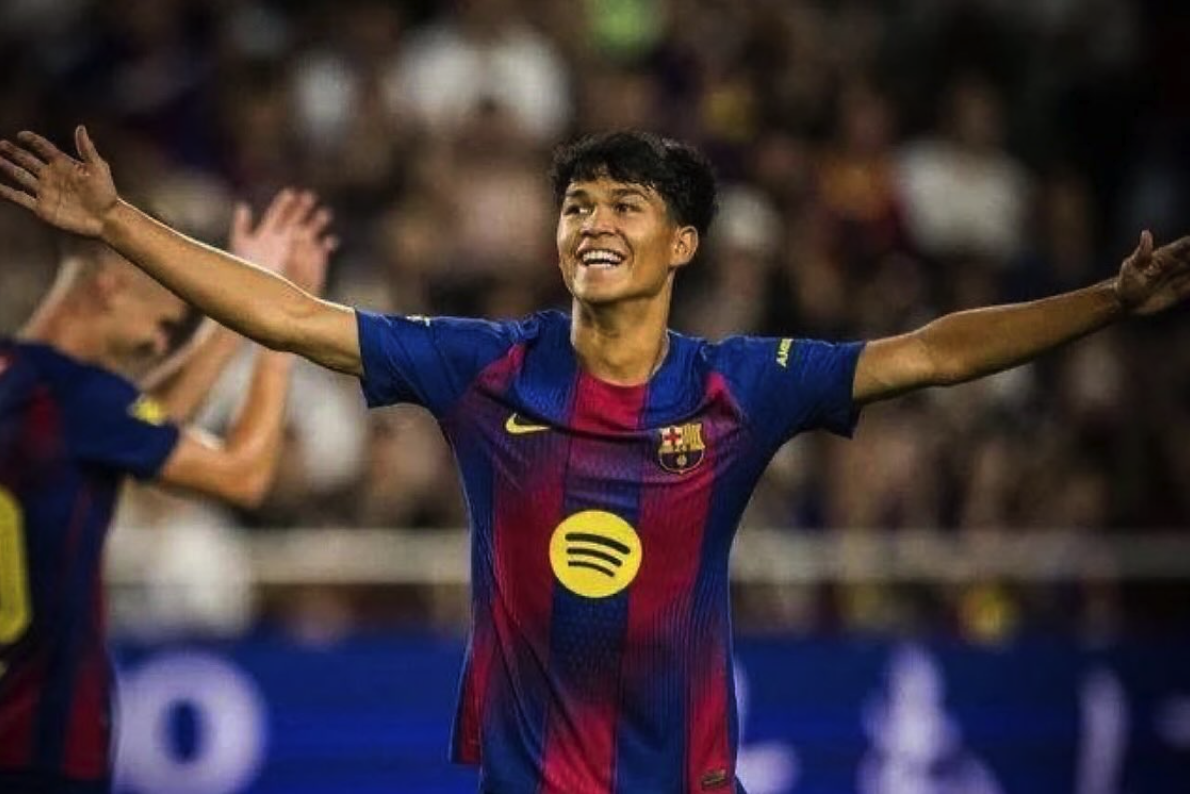
€6 million.
I am a bit meh. The kind of meh that comes from watching something slip through your fingers while knowing, with absolute certainty, that it didn't have to be this way.
Pedro "Dro" Fernández, eighteen years old and arguably one of the more talented attacking midfielders to emerge from La Masia, is joining Paris Saint-Germain for his €6 million release clause. Six. Million. Euros. The price of a backup goalkeeper at a mid-table Premier League club. The cost of a single month's wages for some of football's highest earners.
PSG keep giving us chump change while poaching our kids.
The circumstances are frustrating. Dro turned eighteen on January 11th—the day of the Supercopa final, ironically—and immediately activated his release clause rather than signing the improved contract Barcelona had prepared. Obviously he had been planning this for a while. The club was blindsided; Flick learned of the decision on Friday and reportedly spent the weekend trying to convince the teenager to reconsider. It didn't work.
The lure of PSG, the improved contract , the promise of playing time and the agent's whispers—all proved more persuasive than the prospect of becoming a Barcelona legend.
Let's take a minute to talk about that agent.
Ivan de la Peña, a former Barcelona player himself, has now engineered the departure of multiple La Masia talents to PSG. The connection to Luis Enrique—who shares the same representative—is no coincidence. There's a pipeline operating here, a systematic extraction of Barcelona's youth talent facilitated by those who once wore the Blaugrana.
It's legal, technically. But morally seems a bit suspect. That said who cares about morals anyway.
Flick's press conference comments betrayed his frustration without explicitly addressing Dro. "My message is about daily training," he said, speaking about young players generally but clearly referencing this specific situation. "When players arrive with potential, we have a plan... We're a big team, and it's not easy to get playing time." The implication was clear: patience is required, pathways exist, but some choose shortcuts regardless.
The contrast with Marcus Rashford's situation is instructive. Flick explicitly used Rashford as a positive example—a player desperate to join Barcelona, willing to sacrifice salary and status for the opportunity to wear the shirt. "When you come here, you have to give everything," Flick noted, "to defend the colours of this club."
Dro chose different colours. Parisian colours.
What makes this particularly galling is the context of Barcelona's midfield. Yes, Pedri, Gavi, and Fermín occupy the primary creative slots. Yes, Dani Olmo, when fit, provides additional competition. But Barcelona's history is built on competitive internal hierarchies—Xavi and Iniesta pushed each other to greatness; Busquets emerged despite Yaya Touré's presence. Dro could have followed that tradition, developing alongside exceptional teammates rather than being threatened by them.
The deal is effectively done—a contract until 2030, reportedly worth significantly more than what Barcelona offered. PSG's financial muscle continues to distort the market, allowing them to poach talents . Whether Dro succeeds in Paris—remains to be seen and is beside the point. I lose interest in players who leave Barca, but history suggests that plenty of La Masia graduates have struggled after leaving too early.
The institutional failure must be addressed. €6 million release clauses for teenage prodigies are indefensible. Barcelona must learn from this experience and implement protections—higher clauses, longer contracts, clearer communication about development pathways—that prevent future repetitions.
Losing this Dro feels meh. Losing the next Dro would be negligent.
Some supporters will shrug and move on. "He wasn't good enough anyway," they'll claim, despite having celebrated his Champions League debut just months ago. "We have Pedri, Gavi, Fermín—we don't need him." This misses the point entirely. La Masia exists not just to produce starters, but to create depth, competition, and eventually revenue through sales to clubs who value what we develop.
Dro leaving for €6 million violates all three principles.
This news is probably just a cautionary tale of agents prioritising fees over futures, of clubs failing to protect their assets, and of a teenager who wasn't patient enough to wait for his turn.
The Vault
 Domagoj Kostanjsak
 Domagoj Kostanjsak
 Domagoj Kostanjsak
Visca el Barça i Visca Catalunya