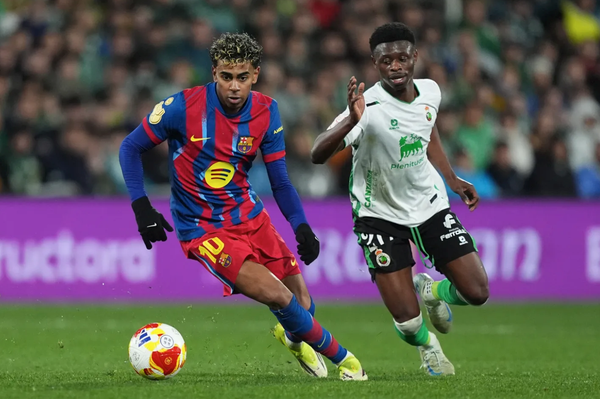
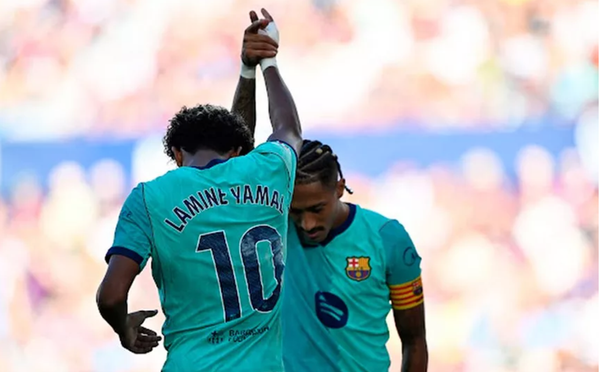
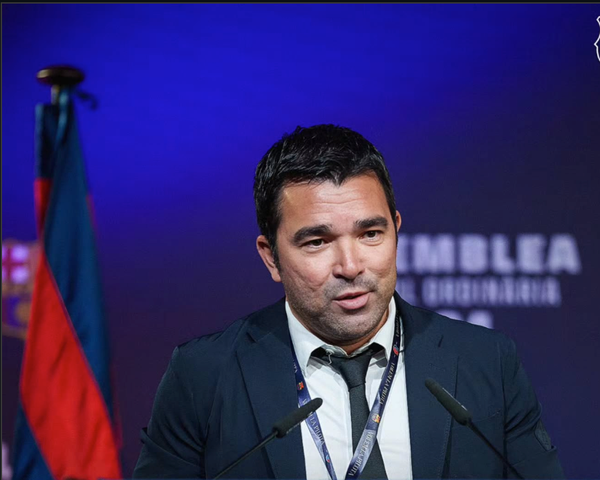
Barca win catalan derby 4-1. Lamine and Ferran take the blaugrana 9 points clear in La Liga
Nine points clear in La Liga. A 0-2 Champions League deficit in Madrid on Tuesday. Barcelona beat Espanyol 4-1 in a derby that required more grit than the scoreline suggests

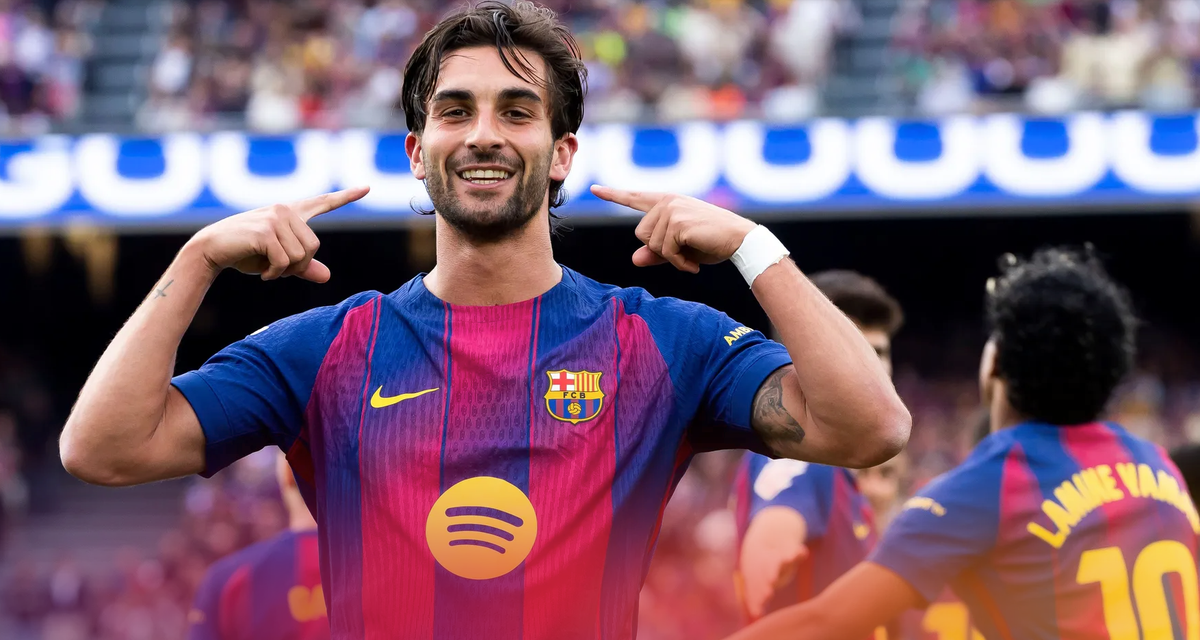
When the Occasion Needed Someone to Take Charge, Yamal Did What He Always Does
Three days earlier, Atlético Madrid had left Camp Nou with a 2-0 lead, a red card, and the quiet satisfaction of a side that had imposed their will completely. The questions were obvious: how tired were the legs, how fragile was the confidence, and what exactly was Hansi Flick trying to preserve for Tuesday? What followed on Saturday was a performance that started with tactical intelligence, wobbled in the middle, and ended with Lamine Yamal reminding everyone in the ground that some players simply do not carry the weight of the previous game.
The Setup: Flick Caught Between Two Prizes
The selection told you everything about the calculation Flick was making. Five changes from Wednesday — Araújo, Balde, Gavi, Fermín and Torres all back in — but not a wholesale rotation. Yamal stayed. Pedri stayed. The implication was clear: La Liga can be won with application and grit, and with nine points separating Barcelona from Real Madrid with seven games remaining, this was not a fixture you could afford to treat lightly. Celta and Getafe still to come in the run-in, but also Villarreal and Real Sociedad. Points in a title race accumulate or they don't.
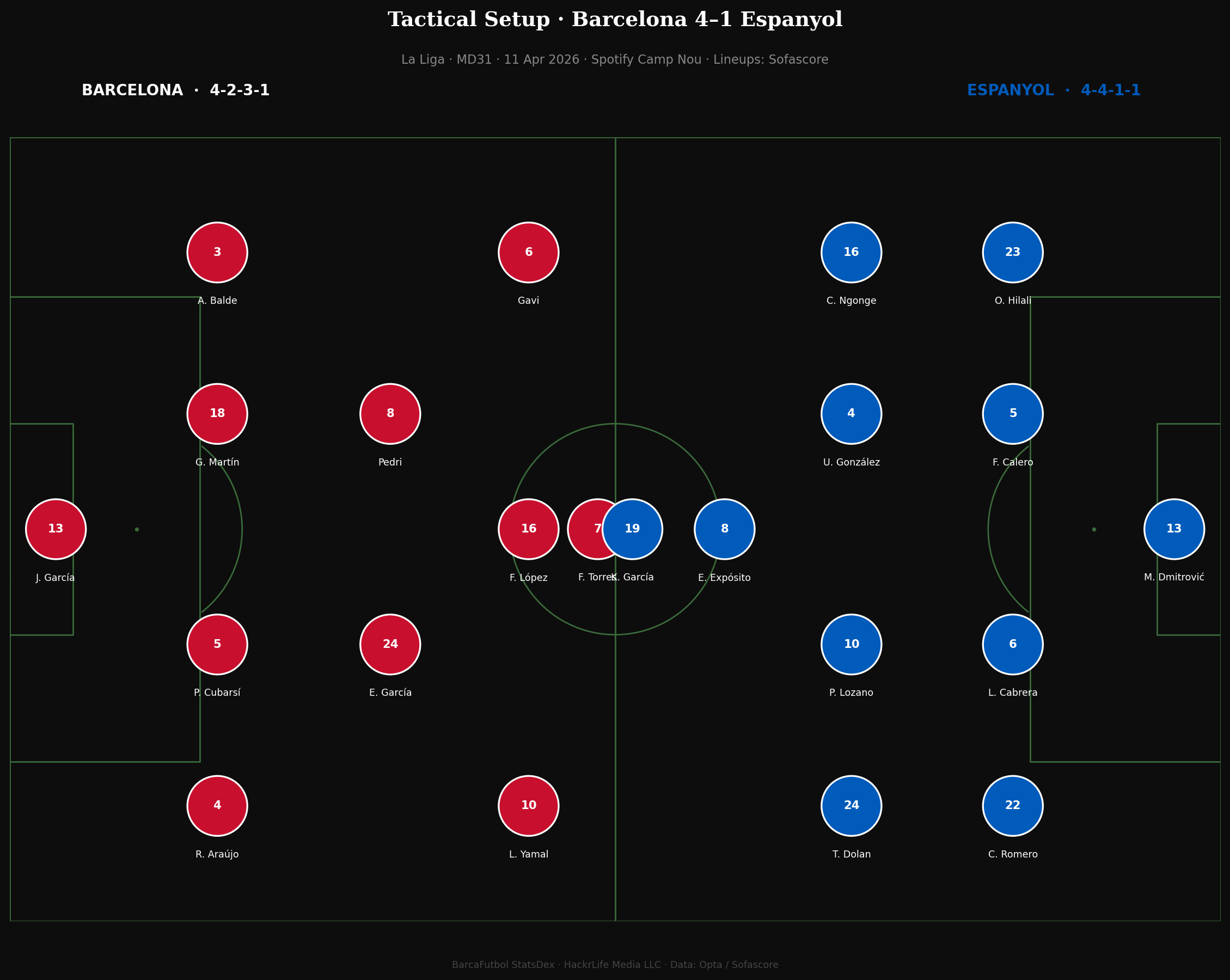
The 4-2-3-1 was orthodox on paper and interesting in practice. Pedri and Eric García as the pivot — one of them expansive, one of them screening, the roles shifting depending on where the ball was. Fermín López in the left channel of the three, given licence to drift inside and find space between Espanyol's midfield four and their back line. Yamal occupying the right touchline and the combination between them requiring Gavi to arrive rather than start wide.
Torres alone at the tip.
Espanyol came with a compact 4-4-1-1. Manolo González had set his side up to be hard to break down: Expósito screening the pivot, the midfield four organised and narrow, Kike García working tirelessly as a lone reference. They had scored in twelve of their fifteen away matches this season. They were not here to lose quietly.
They held for nine minutes.
The First Half: What Yamal Does to a Defensive Shape
Yamal's corner from the left was not exceptional by his standards. The delivery was good — pace, curve, aimed at the back post — but what made it a goal was Torres. The striker had been quiet in La Liga since January, goalless and a little lost in the system that asks a centre-forward to drop and combine rather than arrive into crosses. On nine minutes he arrived into a cross. He found the space that Espanyol's defensive shape had left at the back post — a recurring problem in set pieces against teams that zone rather than man-mark — and thumped a header past Dmitrović. 1-0.
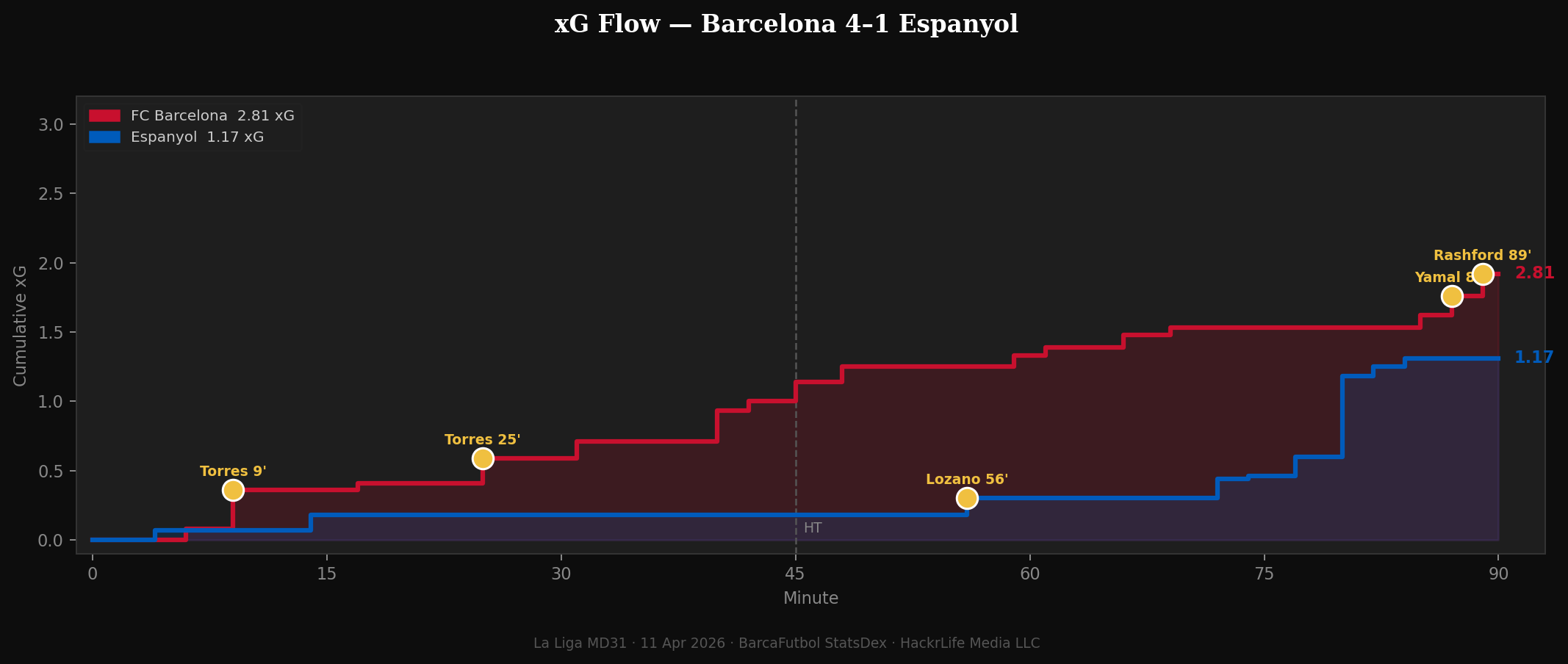
The xG flow chart captures what the first half felt like from inside the ground: a slow, relentless accumulation. Barcelona never found a burst of pace or a moment of chaos — they simply kept arriving in Espanyol's final third through patient circulation, through Pedri's angles, through Fermín's willingness to make runs.
And then, at 25 minutes, something magical happened. Yamal received the ball on the right touchline, looked up, and bent a trivela — outside of the boot, curling away from his body — around the entire Espanyol defensive structure and into the corridor behind the line where Torres was making his run. It was not a cross. It was not a through ball in any conventional sense. It was a pass that required the passer to calculate the arc, the pace, the position of three defenders simultaneously and execute it with his weaker foot. Torres took one touch and rolled it into the far corner. Dmitrović had no chance because the pass made a chance impossible to defend.
Two-nil at half-time, and the only question that felt live was whether Flick would push for a third or manage the minutes carefully with Tuesday in mind.
The Second Half: When Espanyol Made It a Game
The honest answer to that question is that Flick had no choice, because the second half went wrong before he could make it go right.
Torres had the ball in the net in the 55th minute. It was ruled out by VAR — Eric García caught offside in the build-up, correctly. The decision was right. The timing was brutal. Immediately, in the deflation that followed a disallowed goal, Espanyol's compact shape became something more dangerous: a team with belief. Pol Lozano received on the edge of the area, took a touch to set himself, and hit a right-footed shot low and hard across Joan García. 2-1. A goal that, statistically, came from nothing — Lozano's shot on target represented Espanyol's second of the match — but which changed the entire atmosphere of the evening.
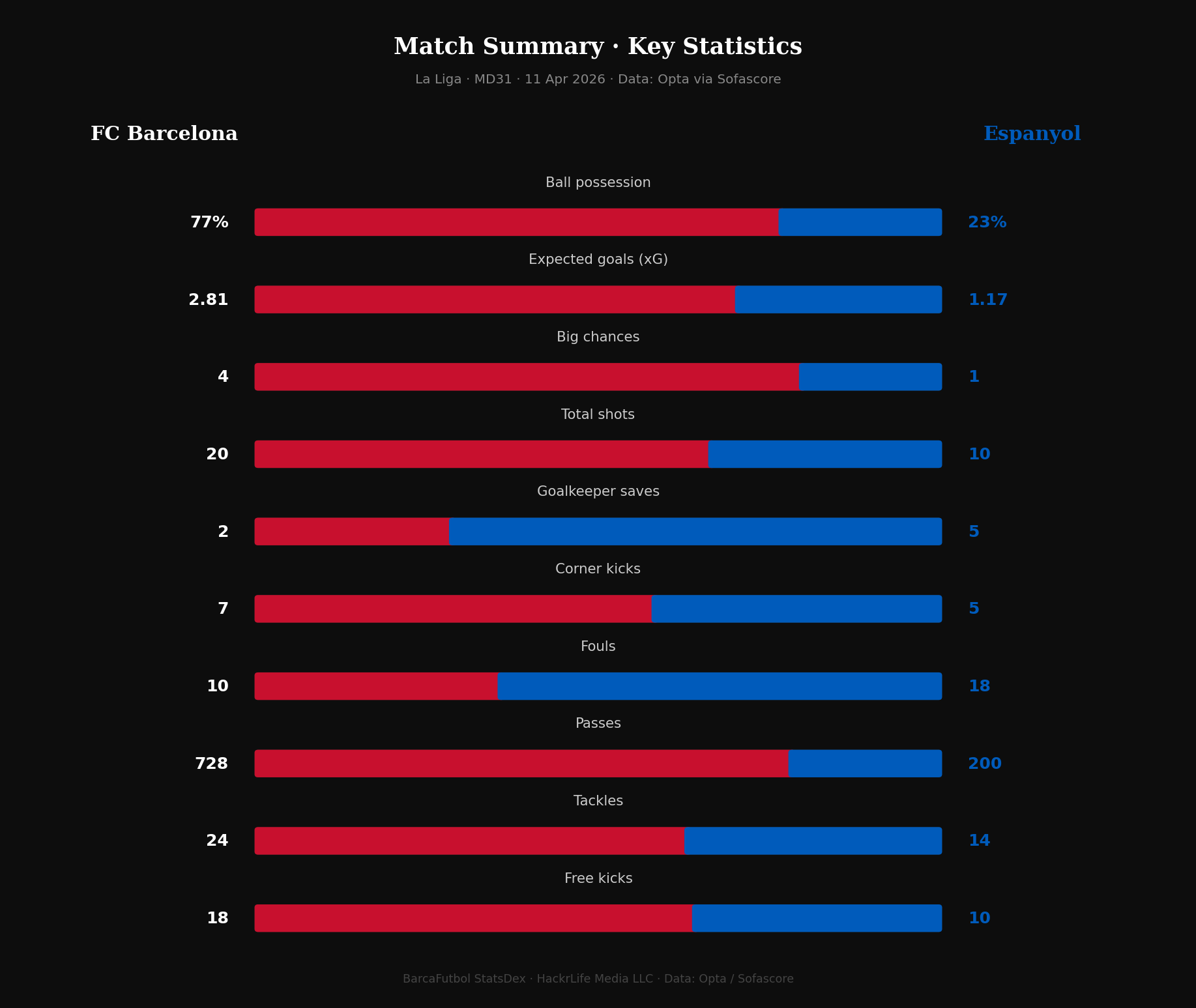
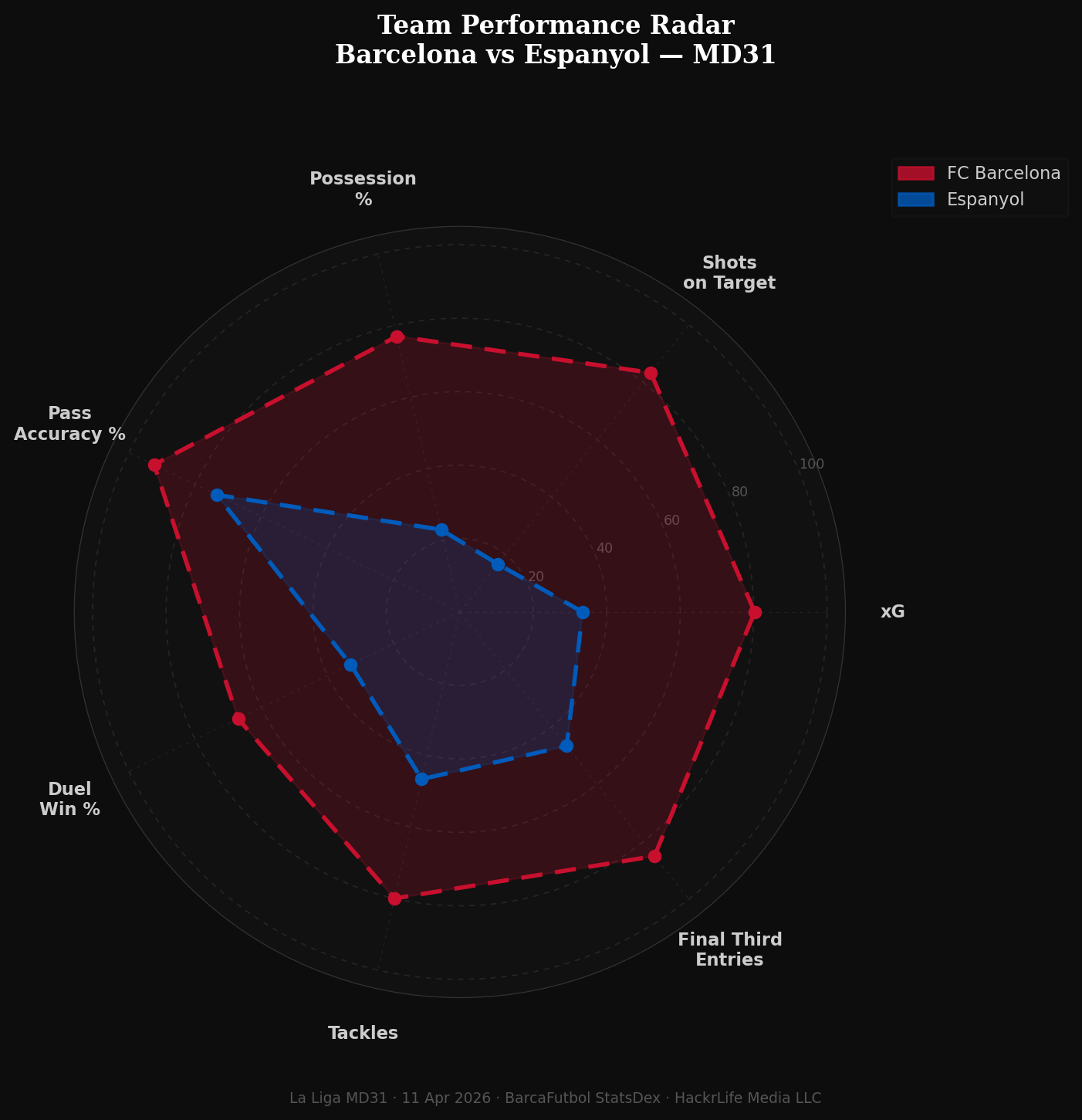
What followed was a twenty-minute period of legitimate anxiety. The statistics — 77% possession, 728 passes, 51 final third entries — remained emphatically Barcelona's. But statistics do not stop a football going in the net, and Espanyol, sensing that something had shifted, pushed with a directness they had not shown in the first half. Rashford, on for Gavi, missed a clear opportunity — his first touch let him down when the chance required composure. Cancelo, bright and direct after coming on for Balde, drove into a spectacular attempt that Dmitrović somehow tipped over. Fernando Calero got his head on a free kick. Rubén Sánchez, the substitute, drove forward twice.
Barcelona held. But they held because the structure held, not because the nerves held.
The Players Nobody Will Write About
Ronald Araújo was the silent story. Back from injury and malignment, back in the starting eleven after being managed carefully since his return, Araújo was physical and aggressive in the air — winning 5 of his 8 aerial duels — and reading danger before it became real. He won 7 of his 8 total duels. He made 5 defensive actions. He completed 70 of 74 passes at 95% accuracy, which for Araujo is rarer than it sounds. When Espanyol pushed after Lozano's goal, it was Araújo who set the tone in those 20 minutes. Yet it wasn't very classical but enough to hold in the tide.
Eric García was the other player who did his job silently. 68 of 71 passes at 96%. 8 defensive actions. 4 duels won. 2 key passes from the pivot. This is what a good midfielder looks like. Almost completely invisible, which means he is doing everything correctly. García occupied the space between Espanyol's lines when Barcelona had possession, pressing triggers when they didn't, covering the channel when Fermín drifted inside. His 81.4 position-weighted impact score was third-highest among all Barcelona players on the night, behind only Pedri and Yamal, which tells you something about how little credit the position receives.
Gavi was excellent for 64 minutes. Excellent because of context. He looked assured. In control of his body. Gavi has barely played this season — a knee injury in August took most of his campaign — and 64 minutes of a Catalan derby in a week that also included a Champions League quarter-final first leg is not a small physical ask for a player building his way back. He completed 40 of 41 passes at 98%. Won 8 of 9 duels. Made 3 defensive actions. He looked like himself. That matters enormously for what the team needs in the rest of this season.
The Player Who Made the Evening His
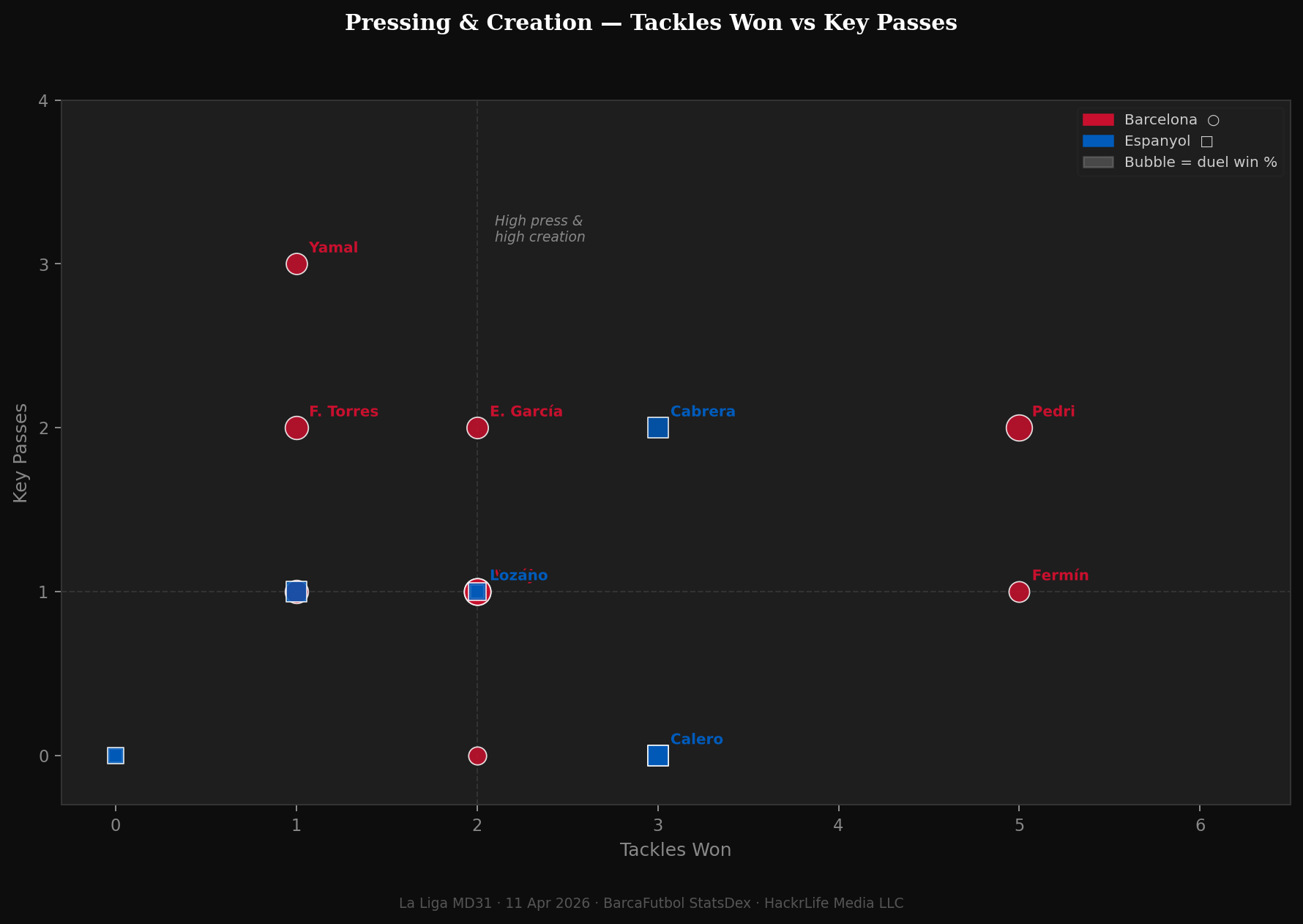
There is a conversation in Spanish football about whether Fermín López is a luxury player — someone who produces in the right circumstances but fades when they're wrong. Five tackles won from the number ten position. That is not a luxury player. That is a player who understands what the system requires of him, and who does both. Fermín is often the part of this team that doesn't get the credit because there is always something more spectacular to talk about.
Because there is always Yamal.
1 tackle and 3 key passes, which correctly captures what he is and what he isn't. He is no longer on defensive duty. He is the terminus of everything Barcelona do going forward — the point at which possession becomes danger, creativity becomes reality.
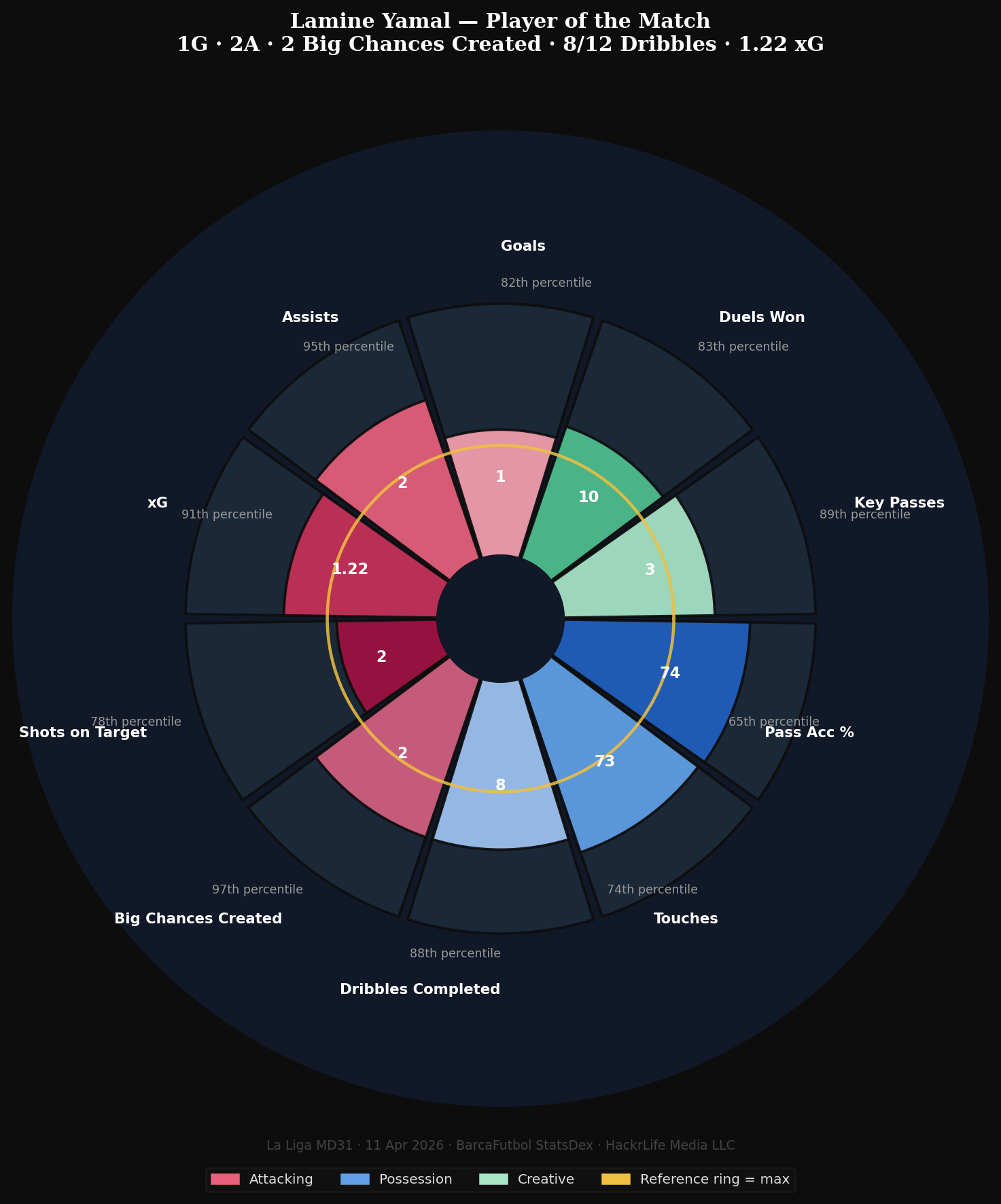
One goal. Two assists. Two big chances created. 1.22 xG generated. 8 dribbles completed from 12. The pizza chart puts him at the 97th percentile for big chances created, 95th for assists, 91st for xG. His pass accuracy — 74%, 26 from 35 — sits at the 65th percentile, which is the number that explains the architecture of his game. His function is to play passes nobody else sees and to go past defenders nobody else can go past and to score goals at moments when goals need to be scored.
It was Casadó who sent the through ball at 87 minutes — a lovely, deft pass into the space behind Espanyol's defensive line. What happened next happened because of Yamal. He ran. Dmitrović came out. The goalkeeper committed to a challenge he believed he could win. Yamal went around him. Trite lucky. Sure. But thats the luck champions make for themselves.
The net was empty. 3-1, and the evening was over.
Ninety seconds later his movement dragged the last defender — De Jong, in his first twelve minutes since February, slid a pass to Rashford, Rashford arrived late and volleyed into the far corner. 4-1. De Jong looked sharp. He looked like a player who had been waiting, who had used the weeks on the treatment table to come back cleaner. His assist was exact. His body language was good.
This was Yamal's 100th La Liga appearance at seventeen years old. The occasion asked him to be the difference.
He was, as he almost always is, exactly that.
Player Contribution: The Full Picture
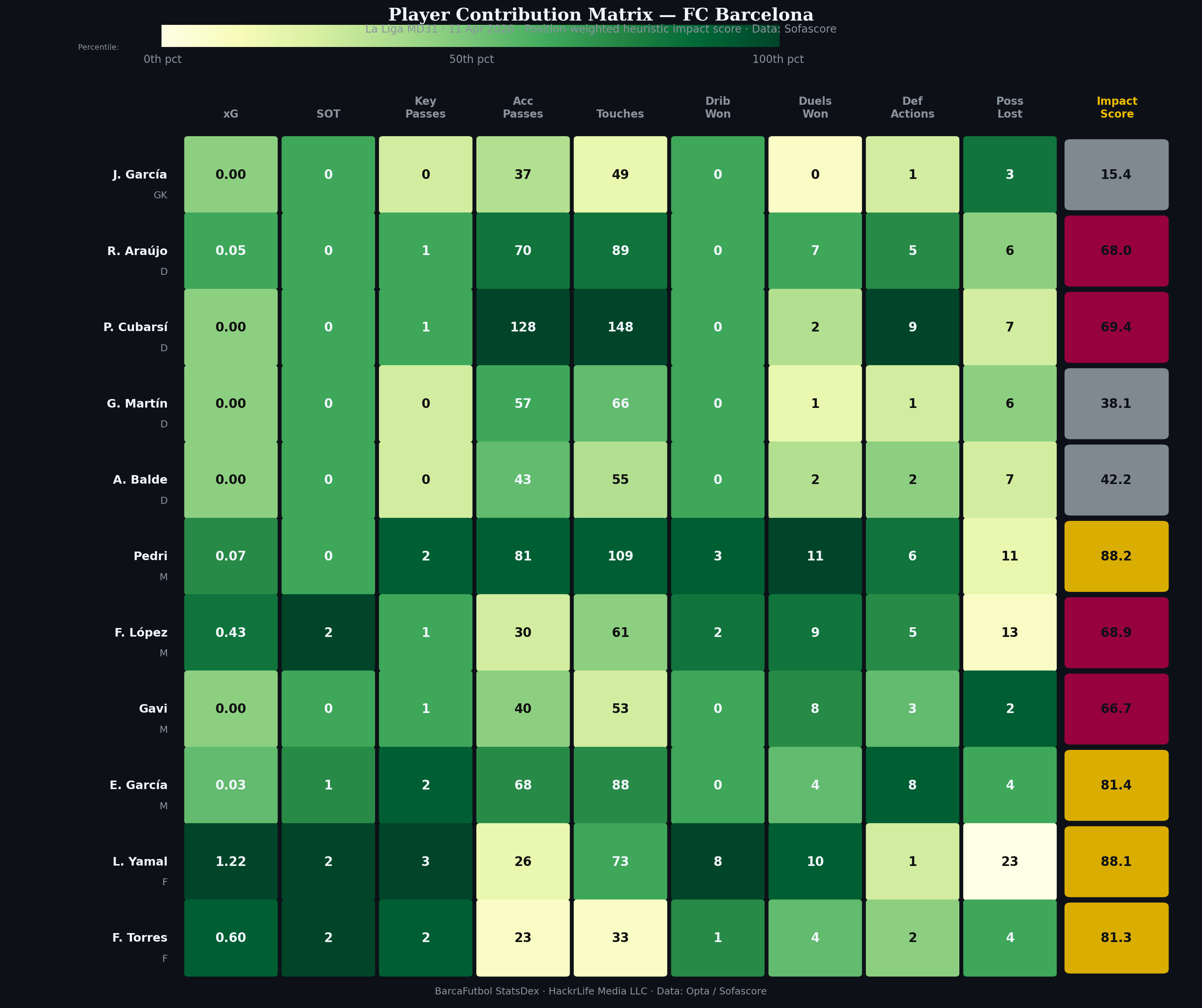
The contribution matrix confirms what the eye saw. Pedri (88.2) and Yamal (88.1) lead on impact score, with E. García (81.4) and Torres (81.3) close behind. Gavi's 66.7 understates his influence — the metric penalises low pass volume, and Gavi's 53 touches reflects his positioning rather than his effectiveness. Araújo at 68.0 is probably slightly low for a performance of that quality; the defensive weight system rewards defensive actions but doesn't fully capture the intelligence of positioning that prevents chances from being created in the first place.
What Does Tuesday Look Like?
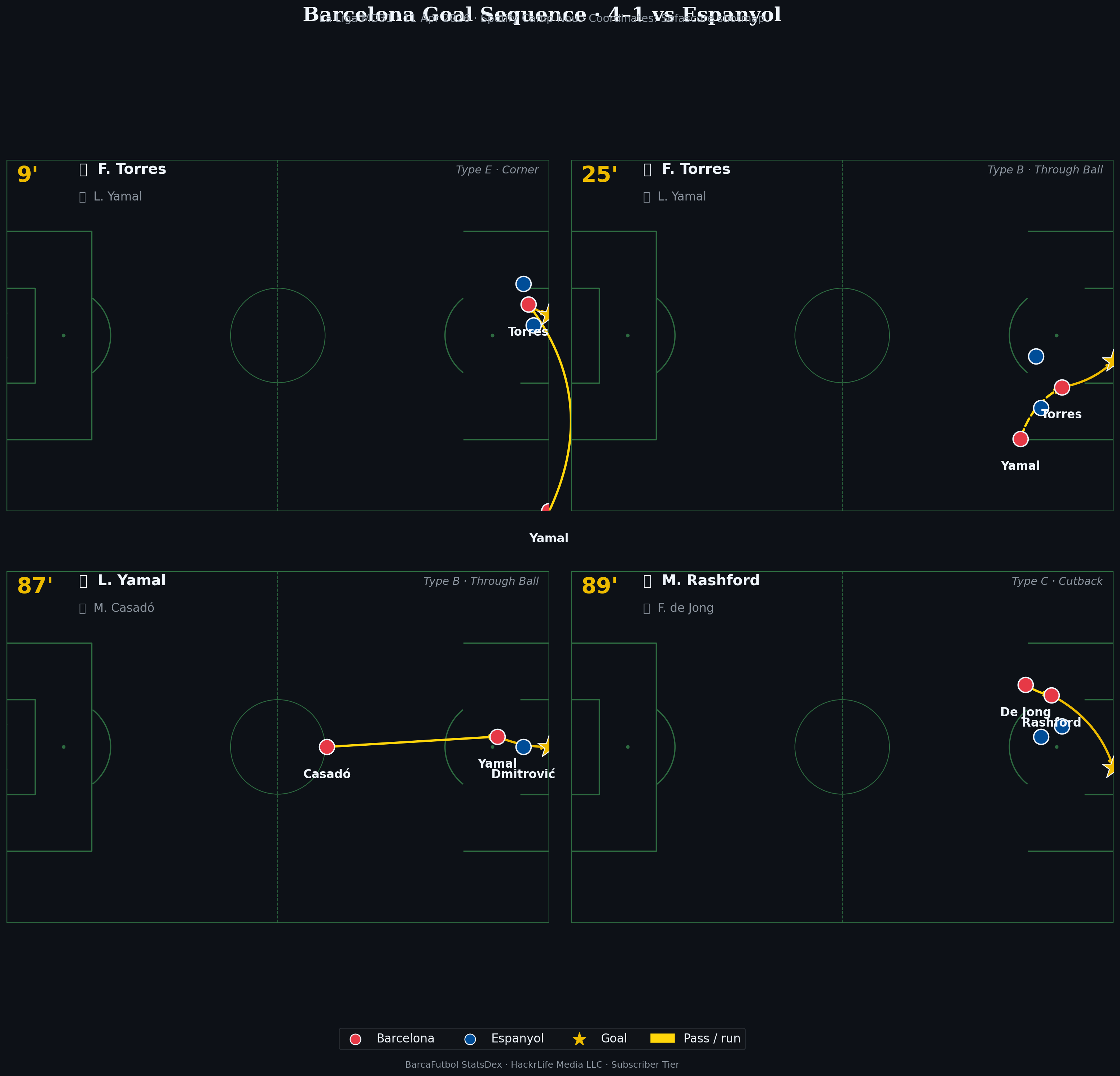
The goal sequences reveal something specific about how Barcelona score and how they can hurt Atlético on Tuesday. Three of the four goals came from situations where the ball moved quickly through the lines and arrived in a position where a single run — Torres arriving at the back post, Yamal running beyond a high defensive line — was enough to finish.
Atlético Madrid's defensive organisation is better than Espanyol's, but the principle is the same: if Barcelona can move the ball quickly enough, if the pivot can find the attacker in the half-space before the defensive line reorganises, they can generate chances even at the Metropolitano down 2-0.
The questions for Flick ahead of Tuesday are real.
Simeone's 4-4-2 — and it is always a 4-4-2, whatever shape it nominally starts in — lives on clear references. Two banks of four, compact and narrow, the strikers as the first line of press, the midfield four as the second line of defence. The way to beat it is not to play through it. The way to beat it is to make it unclear who is responsible for who. Uncertainty is what breaks a Simeone block.
Not quality, not possession — uncertainty.
The problem with Yamal on the right wing, where he is most dangerous and most himself, is that Simeone's right side will simply put two bodies on him. Possibly three. Atlético will accept giving up territory in that channel because the alternative — letting Yamal run — is worse. They did it in the first leg. They will do it again. The question for Flick is not how to get Yamal the ball in his natural position. It is how to make Atlético uncertain enough about where Yamal will be that they cannot crowd him out before he touches it.
One option — and it is worth considering seriously — is to move Yamal central, Fermín wide right, and Dani Olmo as a false nine, dropping deep, pulling Atlético's centre-backs out of position, creating the space in behind for Yamal to arrive into from a central starting position rather than a wide one. You bring Lewandowski on at 60 minutes when the legs go and the game opens up and make him hold up play. The shape — nominally a 4-2-3-1 — would look similar from the outside. From the inside, the reference points for Atlético's block would be completely different. The 4-4-2 that Simeone builds knows how to deal with a winger running at a full-back. It is less certain about a central attacker arriving late from a deeper position, pulling between the lines in a way that forces the holding midfielders to make a choice: step or hold.
The handoffs get messier. The block gets tested in different ways.
This is not the only option though. You could ask Rashford to stretch Atlético's left side with his pace and let Yamal come inside off the right, which is essentially what Barcelona do in open play anyway but with more licence. You could play De Jong from the start and ask him to carry the ball through the lines rather than around them, which is something Pedri has not quite been able to do consistently this season. You could push Araújo higher at set pieces and use his aerial dominance as a second-phase threat, because Atlético defend set pieces zonally and they are not immune to a late runner from deep.
What Saturday confirmed is that this squad, when it is moving at pace and the pivot is finding the attacker in the half-space before the defensive line reorganises, can generate chances against any defensive structure. Torres's second goal — the trivela, the corridor, the one-touch finish — required two things: the pass and the run. Atlético will try to take away the run. Flick's job on Tuesday is to make sure there is always another run somewhere else.
Nine points in La Liga. A 0-2 deficit in Madrid. The League title and European ambitions pulling in different directions, as they always seem to do for this club in April. Saturday was necessary. It was also, in the end, joyful — the kind of derby that reminds you why the season matters even when the fixtures come too fast and the bodies are tired.
Tuesday will define the season's memory. And Flick will spend the next forty-eight hours trying to make a 4-4-2 that has seen everything feel, for one night at the Metropolitano, like it hasn't seen this.